
Soehrensia huascha
Soehrensia huascha
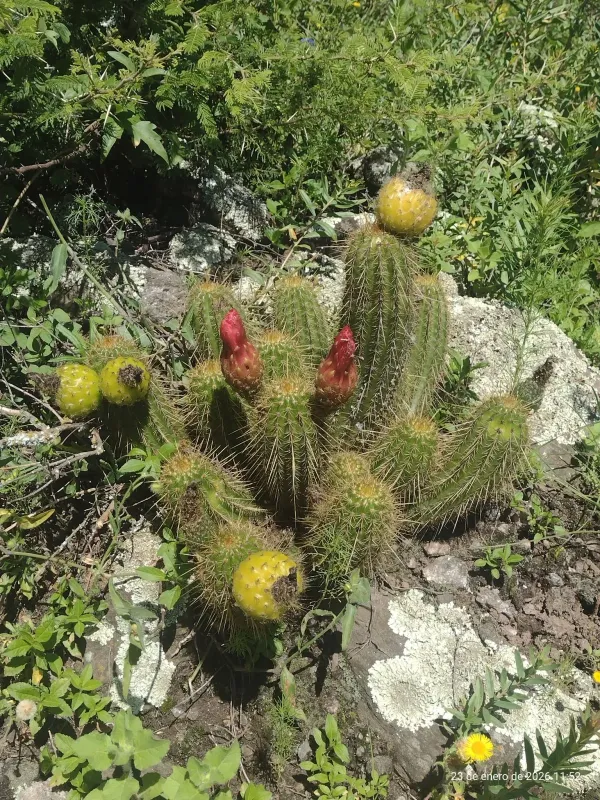
Description
Growing requirements
Soehrensia huascha is a remarkable cactus species belonging to the Cactaceae family, natively distributed across the arid, rocky landscapes of Argentina. It is widely recognized for its cylindrical, clustering stems and vivid, trumpet-shaped flowers.
This species demands high light exposure to maintain its structural integrity. In cultivation, it thrives best in a full sun environment, which helps in developing its characteristic spination and ensures frequent and vibrant seasonal blooming.
The growing medium should be highly porous and inorganic-based. A standard cactus mix fortified with extra pumice, perlite, or grit is ideal for ensuring that water drains away from the root zone immediately after irrigation, preventing hypoxia.
Watering requirements follow a strict seasonal pattern. During the spring and summer growth phase, the soil should be watered thoroughly but allowed to dry out completely between applications. During winter dormancy, watering should be strictly minimized.
Temperature management is critical for the survival of this species. While it is adapted to temperature fluctuations in its natural range, it requires protection from excessive moisture during cold periods to prevent tissue collapse and frost-related decay.
Main diseases and pests
The most severe threat to Soehrensia huascha is rot, typically caused by waterlogged soil conditions. Fungal pathogens attack the root system first, eventually spreading upward through the vascular tissues, which necessitates immediate drainage control.
Mealybugs are the primary insect pests affecting this plant. These pests thrive in hidden areas between ribs and at the base of the plant, drawing sap and weakening the cactus, often leaving behind a white, cotton-like residue.
Spider mites represent a secondary but significant threat, especially when the plant is kept in dry, stagnant air. Their feeding activity causes discolored, scarred patches on the epidermis that never heal and ruin the plant's aesthetic.
Root aphids can also compromise the plant's health, often going undetected until the growth rate significantly declines. Regularly inspecting the root ball during repotting is essential for identifying and eliminating these pests early.
Preventative cultural practices, such as maintaining good airflow, proper spacing between plants, and keeping the epidermis dry during winter, are the most effective strategies for long-term health and pest prevention in cactus collections.