
Soehrensia candicans
Soehrensia candicans
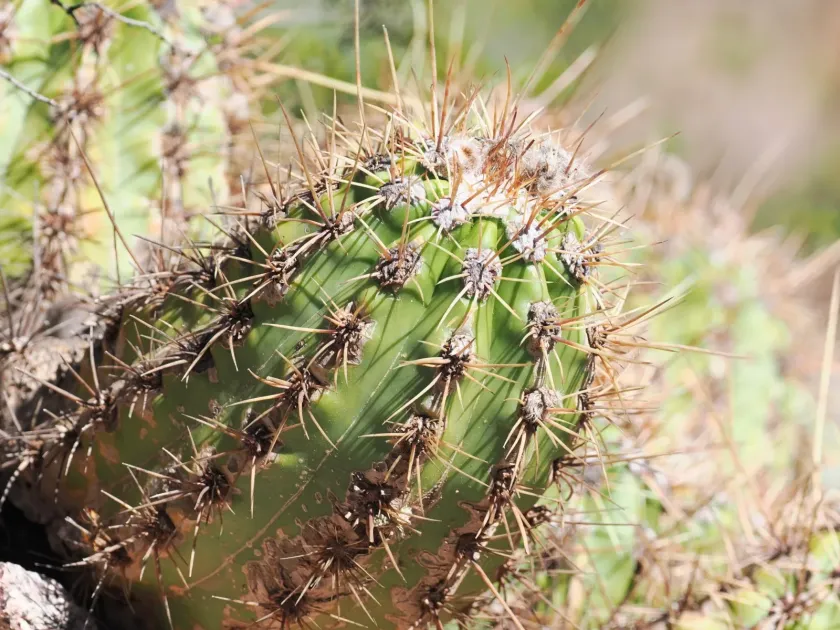
Description
Sowing dates
The propagation of Soehrensia candicans by seeds is typically initiated in spring, maintaining temperatures around 20-25°C. Seeds are placed on a sterile, mineral-based medium.
Seed germination requires high humidity maintained by a cover, followed by a gradual acclimatization process once the sprouts have developed initial spines.
Seedlings should be kept in a well-lit area but shielded from harsh direct noon sun until they reach a sufficient size to withstand stronger light levels.
Vegetative propagation via offsets is a highly effective alternative, allowing the grower to produce mature-looking plants faster than using seeds.
When separating offsets, it is crucial to allow the wound to callus for several days before placing it into the potting medium to prevent rot.
Growing requirements
Soehrensia candicans is a member of the Cactaceae family, native to the arid regions of Argentina. It is a robust plant known for its large, fragrant, white blossoms.
The plant thrives in full sun, which is essential for maintaining a compact shape and encouraging the development of flower buds during the growing season.
Soil requirements focus on drainage; a professional cactus mix containing coarse sand, perlite, and a small portion of organic matter is ideal for healthy root development.
Watering should be thorough during the peak summer months, ensuring the soil dries out completely between intervals to prevent stagnant moisture around the root crown.
Winter dormancy is a critical physiological requirement; keeping the plant in a cool, dry place (approx. 5-10°C) is essential to trigger successful flowering in the spring.
Main diseases and pests
Root rot is the most common threat, usually triggered by excessive moisture and poor drainage in the potting medium, which facilitates fungal growth.
Pests such as mealybugs and spider mites are frequent invaders, often hiding in the crevices between the cactus ribs where they can multiply if left undetected.
Etiolation, or stretching, occurs when the plant is deprived of adequate light, causing the stem to become weak and highly susceptible to physical damage and pathogens.
Maintaining a clean cultivation environment and utilizing systemic pesticides at the first sign of infestation are key strategies for ensuring long-term health.
- Ensure excellent drainage.
- Promote good air circulation.
- Regular monitoring for pests.