
Soehrensia bruchii
Soehrensia bruchii
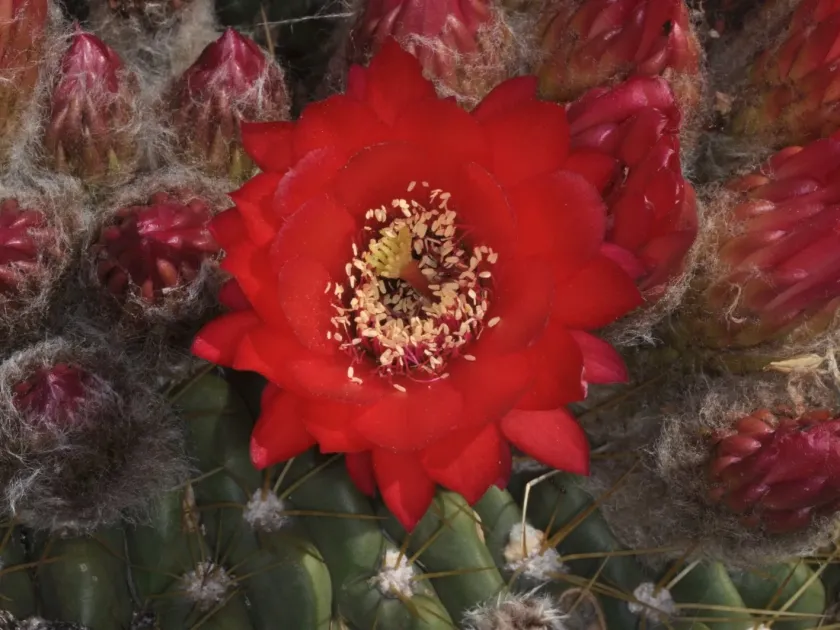
Description
Growing requirements
Soehrensia bruchii is a distinct species belonging to the Cactaceae family, native to the high-altitude regions of Argentina. This plant is well-adapted to extreme environmental conditions, characterized by high levels of solar radiation and sparse precipitation in its natural habitat.
Botanically, the species is defined by its robust, globose to columnar stem structure, which is protected by dense, strong spines. These spines serve not only as a defense mechanism but also as a structural adaptation to manage heat and potential herbivory in the harsh mountainous terrain.
Cultivation requirements for this species focus heavily on soil structure and light intensity. Growers must provide a highly inorganic, fast-draining substrate to prevent any moisture accumulation around the root system, which is vital for long-term health and growth.
The climate for Soehrensia bruchii should mimic its native alpine environment. This means cool, dry winters and warm, bright, airy summers with significant temperature fluctuations between day and night, which are essential for triggering the flowering process.
Economically and horticulturally, this cactus is highly sought after by collectors of rare succulents. Its slow growth rate and the potential for spectacular blooms make it a prized specimen in professional botanical collections and specialist nurseries worldwide.
Main diseases and pests
The primary threat to the health of Soehrensia bruchii is root rot caused by improper watering practices. High humidity combined with a heavy, moisture-retaining soil mix will almost inevitably lead to the degradation of the root system and eventual death of the plant.
Spider mites are the most common pests, often appearing when air circulation is poor or humidity levels are too low over prolonged periods. These microscopic pests feed on the succulent tissue, leaving behind visible scarring and damaging the plant's aesthetic appeal.
Mealybugs are another persistent threat, hiding in the crevices between the ribs of the cactus. Regular inspections and the use of targeted systemic insecticides are necessary to keep the population under control and protect the plant's growth points.
Etiolation is a significant physiological risk when the plant is denied sufficient light during the active growing season. The stem will stretch and lose its natural compactness, creating weak points in the plant structure that are more susceptible to disease.
Mechanical damage during repotting can lead to secondary fungal or bacterial infections. It is critical to ensure that any wounds on the stem have fully calloused over before returning the plant to its growing conditions to prevent pathogens from entering the tissue.