
Soehrensia strigosa
Soehrensia strigosa
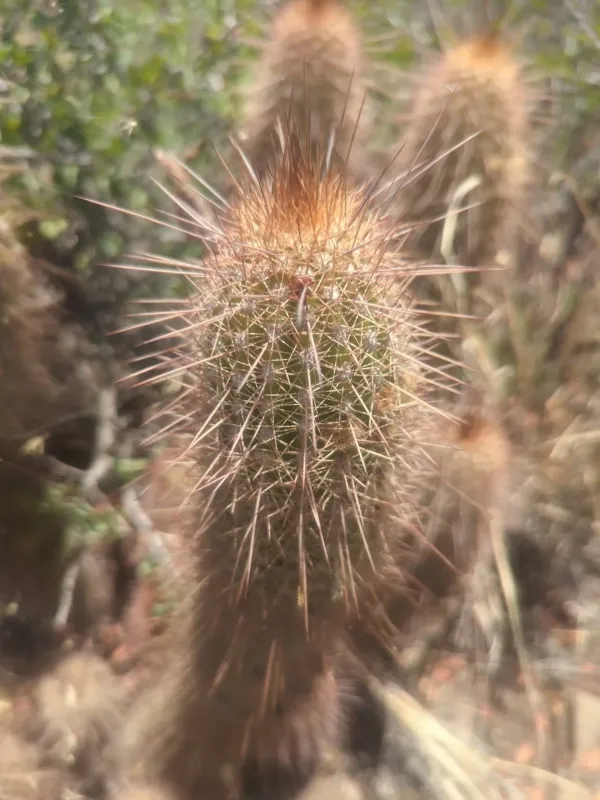
Description
Sowing dates
Propagation of Soehrensia strigosa is typically achieved through seeds or vegetative cuttings from offsets. Seeds should be sown in a well-draining, sandy substrate during early spring, maintaining a consistent temperature of around 22–25 degrees Celsius for germination.
Young seedlings are highly sensitive and require stable humidity levels during their first few weeks of growth. Once established, the frequency of watering should be reduced significantly to encourage the development of a strong and healthy root system.
When propagating via offsets, it is crucial to allow the cut surface to callus for several days before planting it in dry soil. This process prevents bacterial infections and root rot, which are common threats to succulent tissues.
The peak growing season for this species lasts from April through September. During this period, the plant requires maximum exposure to light to ensure a robust and natural growth pattern, preserving its characteristic spiny appearance.
Regular repotting every two to three years helps maintain the vigor of the plant. A wider, shallow pot is preferred over a deep one, as this ensures that the soil dries out efficiently and prevents stagnant moisture at the base of the cactus.
Growing requirements
Soehrensia strigosa thrives in a specialized cactus mix that provides excellent aeration and drainage. The soil pH should ideally range between 5.5 and 6.5, providing the necessary acidity for optimal nutrient absorption in arid-land species.
Bright, direct sunlight is essential for the healthy development of this cactus. While it can tolerate partial shade, insufficient light will cause the stem to etiolate and lose its compact, attractive structure, eventually weakening the plant's overall health.
Temperature management is key: the plant prefers warm days during the summer but benefits from a distinct temperature drop during the winter. A winter dormancy period at temperatures between 10–12 degrees Celsius is necessary to trigger future flowering.
Watering practices must be disciplined: the soil should be allowed to dry completely between sessions. During the winter dormancy phase, water should be withheld almost entirely to prevent root rot and physiological stress.
Fertilization should be limited to the active growing season, utilizing a low-nitrogen, high-potassium cactus fertilizer. Over-fertilization can result in rapid, soft growth that is highly susceptible to pests and mechanical injury.
Main diseases and pests
Fungal diseases are the primary threat to Soehrensia strigosa, especially when grown in environments with poor air circulation and excessive moisture. Root rot is often difficult to detect until the plant starts to show significant signs of decline.
Mealybugs are a frequent pest that hides between the ribs and dense spines of the cactus. Regular inspections are necessary to identify the white, cotton-like masses, which should be treated immediately with systemic insecticides to prevent infestation.
Spider mites can also be a problem, particularly in dry and poorly ventilated areas. These tiny pests pierce the epidermis, leading to unsightly scars and reduced vitality, requiring a combination of increased humidity and acaricide treatments.
Integrated pest management is recommended for maintaining healthy specimens. This includes keeping the growing area clean, ensuring proper airflow around the plant, and isolating new plants before introducing them into the main collection.
Effective management of diseases relies heavily on preventative cultural practices rather than reactive chemical treatments. If symptoms do occur, copper-based fungicides can be used locally to arrest the spread of infections on the plant stem.