
Rebutia steinbachii
Rebutia steinbachii
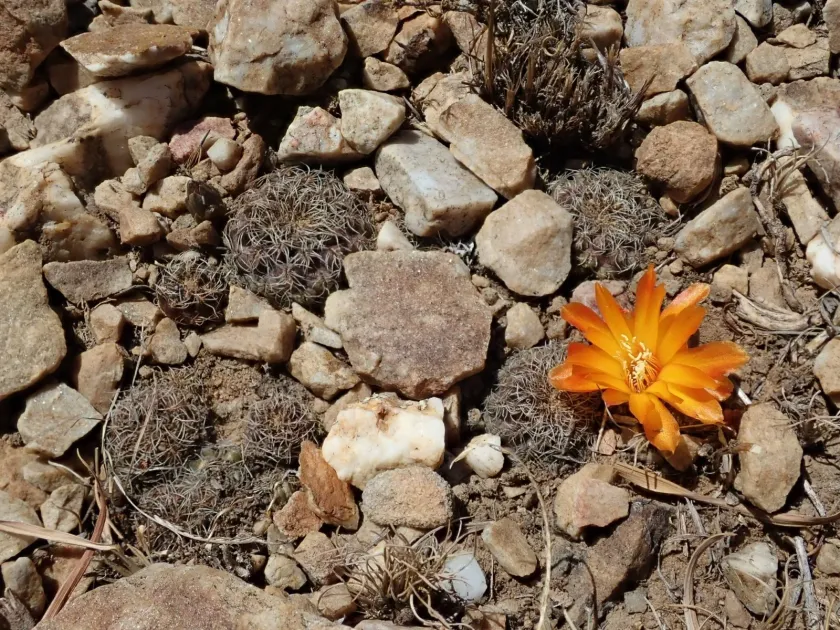
Description
Sowing dates
The seeds of Rebutia steinbachii are typically sown in early spring to take advantage of the increasing daylight hours and optimal temperature conditions.
A well-draining, fine-textured seed starting mix should be used, consisting primarily of sand and peat or fine compost to ensure proper moisture retention during germination.
Seeds are placed on the surface of the pre-moistened medium and lightly covered with a thin layer of sand to maintain stability without preventing light penetration.
Maintaining a consistent temperature of approximately 20 to 22°C and high humidity within a propagator is essential for achieving high germination rates.
Once seedlings have developed their first spines, they should be carefully acclimated to drier air conditions before being transplanted into individual pots.
Growing requirements
Belonging to the Cactaceae family, this species is native to the high-altitude regions of Bolivia, which requires a specific set of environmental parameters for healthy growth.
The plant thrives in bright, indirect light; however, it should be protected from harsh midday sun which can easily scorch its sensitive, globular body.
A porous and slightly acidic substrate is required for optimal health, commonly achieved by mixing pumice, grit, and standard cactus soil in equal proportions.
Watering should follow a strict rhythm: the soil must dry out completely between waterings to prevent root rot, which is the most common cause of failure in cultivation.
During the dormant winter season, the plant requires cooler temperatures and virtually no water to encourage the development of flower buds for the coming season.
Main diseases and pests
The most significant threat to Rebutia steinbachii is the presence of fungal infections, which arise primarily due to stagnant moisture and poor air circulation.
Spider mites are a common pest that thrives in dry indoor environments, causing fine webbing and visible pitting on the epidermis of the cactus.
Mealybugs are another frequent issue, often hiding deep within the dense clusters of spines or near the base of the plant where they feed on sap.
Systemic insecticides are effective for managing infestations, though manual removal with a brush soaked in alcohol is often sufficient for minor outbreaks.
Cultural control, such as regular inspection and maintaining good hygiene around the plant, is the most effective way to prevent and manage potential threats.