
Rebutia kupperiana
Rebutia kupperiana
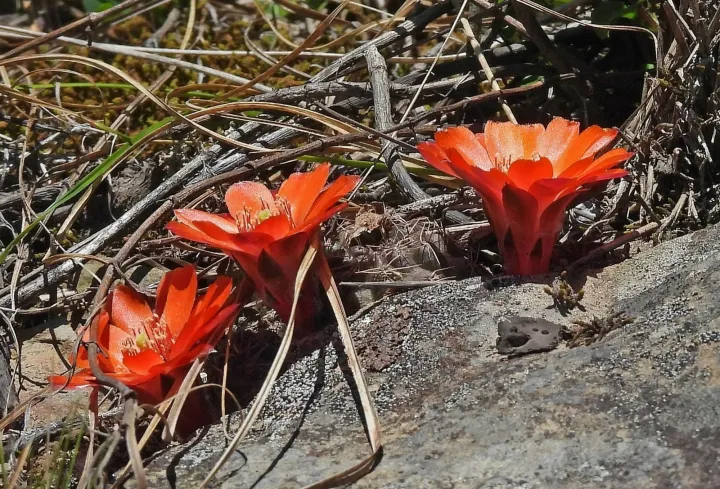
Description
Sowing dates
Propagation of Rebutia kupperiana is primarily achieved through seeds, as this species rarely produces offsets. The ideal time for sowing is early spring when daylight hours begin to increase significantly.
Sow the seeds in a sterile, well-draining substrate composed of sand and a small amount of potting soil. Lightly moisten the surface and cover the container with a glass pane to maintain high humidity for germination.
Maintain temperatures between +22 and +25 degrees Celsius for successful germination. Ensure regular ventilation to prevent damping-off diseases and mold development on the substrate surface.
Once the seedlings are established, gradually remove the cover to acclimate them to the indoor environment. Pricking out should be done carefully when the seedlings reach a size of about one centimeter.
If the plant produces offsets, they can be removed, left to dry for a few days, and then placed in dry sand to encourage root development, though this method is less common for this specific variety.
Growing requirements
Rebutia kupperiana belongs to the Cactaceae family and originates from the mountainous areas of Bolivia, requiring intense light to maintain its compact shape and promote flowering.
The soil must be porous and highly mineral-based. Use a mix of loam, coarse sand, and grit to ensure excellent drainage, which is crucial for preventing root rot in this species.
Watering should be done thoroughly during the active growing season, but only after the substrate has dried out completely. Always avoid leaving standing water in the tray or around the root zone.
A winter dormant period is vital for blooming. Keep the plant in a cool, bright location with temperatures around +5 to +10 degrees Celsius and withhold water throughout the dormant months.
Provide plenty of fresh air during the summer months to ensure the cactus stays healthy. Outdoor placement in a sheltered spot is beneficial, provided the plant is protected from direct rainfall.
Main diseases and pests
Spider mites are a common pest for this cactus, particularly in environments with low air humidity. They cause fine webbing and discoloration on the epidermis of the plant.
Root mealybugs can infest the underground parts, leading to stunted growth and yellowing of the stem. These pests are often difficult to detect until the plant starts showing signs of severe stress.
Fungal infections, such as root rot or stem rot, occur primarily due to poor drainage or excessive moisture. If the stem becomes mushy, immediate action to salvage the plant is required.
Effective pest control includes the application of systemic insecticides or specialized acaricides. Always follow product labels to ensure safety and effectiveness for cactus species.
Preventive maintenance, including the use of sterile soil and proper watering cycles, is the most effective way to protect Rebutia kupperiana from common threats.