
Rebutia minuscula
Rebutia minuscula
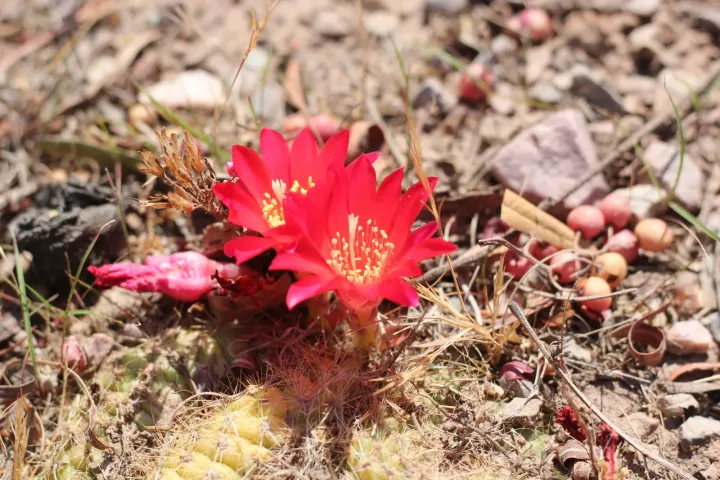
Description
Growing requirements
Rebutia minuscula belongs to the Cactaceae family, known for its small, globe-shaped stems and free-flowering habit. Originating from the mountainous regions of Argentina, this species has adapted to arid, rocky slopes at high altitudes.
The culture requires high levels of solar radiation to maintain its compact form and vibrant spine coloration. In greenhouse conditions, it should be placed in the most illuminated spot to ensure healthy physiological development during the growing season.
Soil requirements focus on extreme drainage and low organic matter content. A suitable substrate consists of a mineral-based mix of coarse sand, perlite, and a small amount of grit to prevent water stagnation around the root system.
Climate conditions must include a distinct seasonal cycle. Warm, dry days followed by cool nights in the summer promote growth, while a cold and dry winter dormancy period (around 5–10°C) is essential for successful bud initiation.
In terms of usage, this plant is primarily an ornamental crop highly prized by hobbyists and nurseries for its prolific blooming capacity. It is an excellent choice for window-sill cultivation due to its diminutive size and manageable requirements.
Main diseases and pests
Spider mites represent a major threat to Rebutia minuscula, especially in environments with low humidity. These pests feed on the succulent tissues, leaving characteristic discolored spots on the skin of the cactus.
Mealybugs can hide in the deep grooves between the tubercles of the stem, often going unnoticed until the infestation is significant. Manual removal using isopropyl alcohol or targeted systemic insecticides is effective.
Root rot is the most common pathology, usually caused by overwatering or soil that lacks proper porosity. Once rot reaches the core of the stem, the plant typically cannot be saved, making prevention a priority.
Fungal infections can develop when the plant is kept in poor ventilation conditions for extended periods. Ensuring a constant flow of fresh air around the plants is critical to preventing mold and soft rot.
To mitigate these threats, growers should practice strict quarantine for new plants and maintain a rigorous maintenance schedule. Cleanliness of pots and tools is also vital in preventing the spread of common succulent pathogens.