
Protea pudens x longifolia
Protea pudens x longifolia
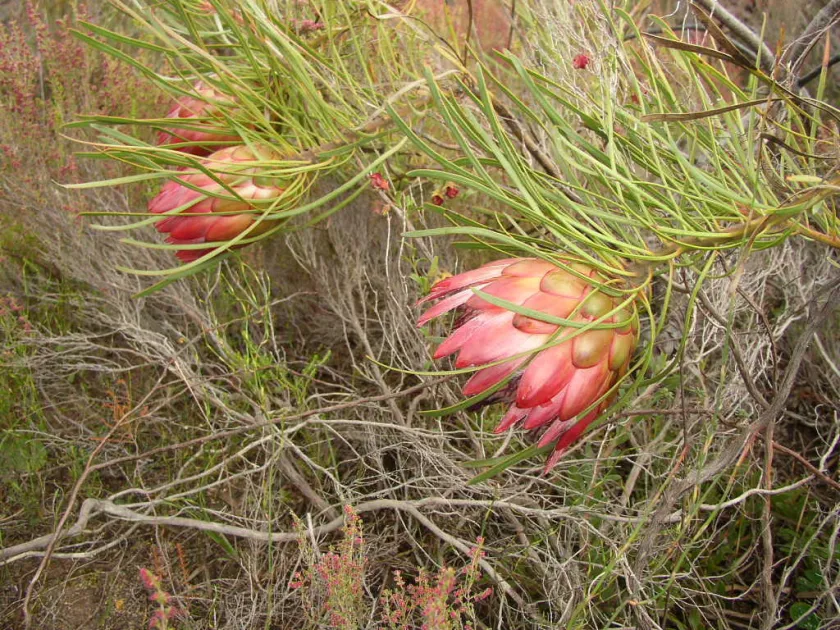
Description
Growing requirements
Protea pudens x longifolia is a hybrid belonging to the Proteaceae family, known for its unique aesthetic appeal and distinct botanical characteristics. Native to the fynbos regions of South Africa, it requires specific conditions that mimic its natural habitat to thrive in commercial or ornamental cultivation.
The climate must be Mediterranean or subtropical, characterized by mild, frost-free winters and warm, sunny growing seasons. Protection from extreme cold is vital, as the hybrid structure remains sensitive to freezing temperatures that can cause permanent damage to the vascular tissues.
Soil composition is the most critical factor for success. It must be acidic (pH 5.0–6.0), extremely well-drained, and low in phosphorus. Proteaceae are highly susceptible to phosphorus toxicity, which is why specialized low-phosphorus fertilizers are required throughout the growing cycle.
High levels of solar radiation are necessary for the development of healthy foliage and the formation of high-quality inflorescences. Adequate ventilation is equally important, particularly in greenhouse settings, to keep the plants cool and reduce the humidity around the flower heads.
Water quality is of paramount importance; only soft, demineralized water should be used for irrigation. Hard water containing high levels of calcium or bicarbonates will quickly lead to substrate alkalization and nutrient deficiency, eventually resulting in the decline of the plant.
Main diseases and pests
Root rot, primarily caused by Phytophthora species, is the most devastating threat to Protea crops. It spreads rapidly in waterlogged soil, destroying the root system and causing sudden plant wilting. Proper drainage and sterile cultivation practices are the only effective prevention.
Pests such as mealybugs often hide in the dense foliage or within the flower bracts. Their presence weakens the plant and promotes the growth of sooty mold. Integrated pest management, including biological controls or targeted insecticides, is necessary for maintaining plant health.
Spider mites can proliferate during periods of low humidity and high temperature. Regular misting and monitoring are recommended to prevent population outbreaks that can severely damage the photosynthetic capacity of the leaves.
Botrytis, or grey mold, may affect the inflorescences in conditions of high humidity or poor air circulation. Removing spent flowers and ensuring sufficient space between plants are effective management strategies for limiting fungal development.
General hygiene in the growing area is crucial to prevent the spread of diseases. Sterilizing all pruning tools between plants and ensuring that no infected material remains in the vicinity is standard agricultural procedure for this species.