
Protea magnifica x longifolia
Protea magnifica x longifolia
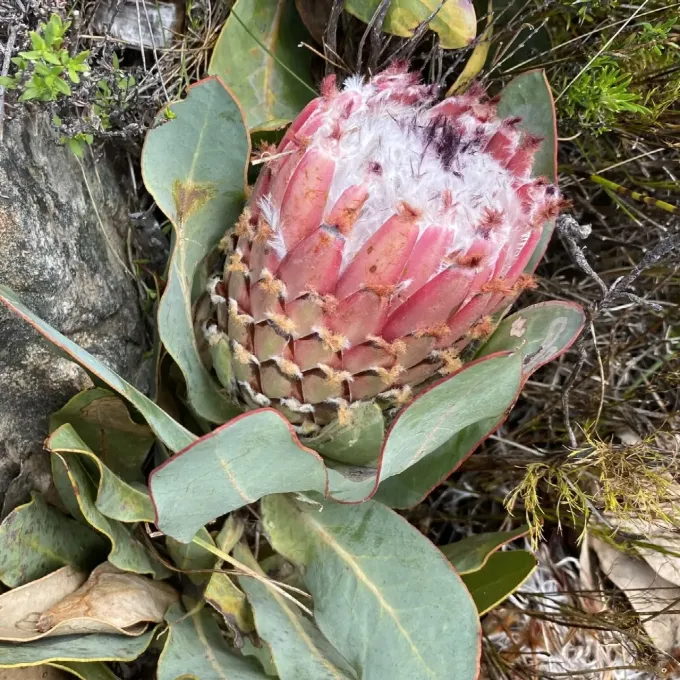
Description
Growing requirements
Protea magnifica x longifolia is a high-value hybrid belonging to the Proteaceae family. This ornamental shrub is widely recognized for its spectacular inflorescences, which combine the structural elegance of its parent species with high resilience, making it a sought-after crop in the floral industry.
Native to the South African fynbos regions, this plant thrives in environments characterized by Mediterranean-like climates. It requires full sunlight exposure and well-ventilated areas, which are crucial for the development of healthy, woody stems and vibrant flower bracts.
The soil requirements are strict: the medium must be acidic (pH 5.5 to 6.5) and exceptionally well-draining. Proteas have evolved to thrive in nutrient-poor soils; therefore, they are highly sensitive to phosphorus toxicity, meaning standard commercial fertilizers are often too rich for them.
Water management is the cornerstone of successful cultivation. These plants require low-calcium, high-purity water. Overwatering or poor drainage will almost certainly lead to lethal root-rot conditions, which are the primary cause of plant loss in non-specialized nurseries.
Optimal spacing is necessary to allow for maximum airflow between plants. Proper ventilation reduces humidity levels within the canopy, preventing moisture accumulation and inhibiting the onset of fungal diseases that are common in dense planting layouts.
Yield
The primary economic output of Protea magnifica x longifolia is high-quality cut flowers. These are prized in international markets for their long vase life, often lasting several weeks, and their distinctive, sculptural appearance that creates a focal point in floral arrangements.
Yield estimation is determined by the number of harvestable stems per plant, which typically matures within three years of planting. Strategic pruning techniques are employed to promote lateral branching, significantly increasing the potential harvest per square meter.
To ensure high market value, flowers must be harvested at the correct maturity stage, usually when the bracts are beginning to open but before the central florets have fully matured. This timing ensures the longest shelf life for export and local retail.
Post-harvest handling involves rapid cooling to stabilize the flower's physiology. This temperature management is vital to preserve the turgidity of the bracts and prevent premature browning or petal drop during transit to wholesale markets.
Continuous monitoring of the growth cycle allows growers to adjust irrigation and nutrient supply (using specialized, low-phosphorus feeds) to hit peak production targets during demand-heavy periods in the floral calendar.
Main diseases and pests
Root-rot pathogens, particularly species within the Phytophthora genus, are the most significant threat to this crop. These soil-borne organisms flourish in waterlogged conditions and can devastate entire plantations if strict soil drainage protocols are not followed.
Insect pests, including spider mites and mealybugs, are frequent offenders in protected cultivation. By feeding on succulent new growth, these pests can cause cosmetic damage to the flowers and retard the overall vigor of the shrub, leading to reduced productivity.
Integrated Pest Management (IPM) is the preferred approach for managing infestations. This includes the use of beneficial insects, such as predatory mites, to control pest populations naturally, thereby reducing the reliance on broad-spectrum chemical pesticides.
Botrytis cinerea (gray mold) represents a significant risk during periods of high ambient humidity. It often manifests on the inflorescences, causing localized rot that renders the stem unmarketable; thus, preventing moisture buildup in the flowering stage is critical.
Strict phytosanitary practices are essential, including the regular disinfection of pruning tools and the removal of plant debris from the orchard floor. These measures are fundamental in disrupting the life cycles of common pathogens and maintaining a productive, healthy crop.