
Protea magnifica x compacta
Protea magnifica x compacta
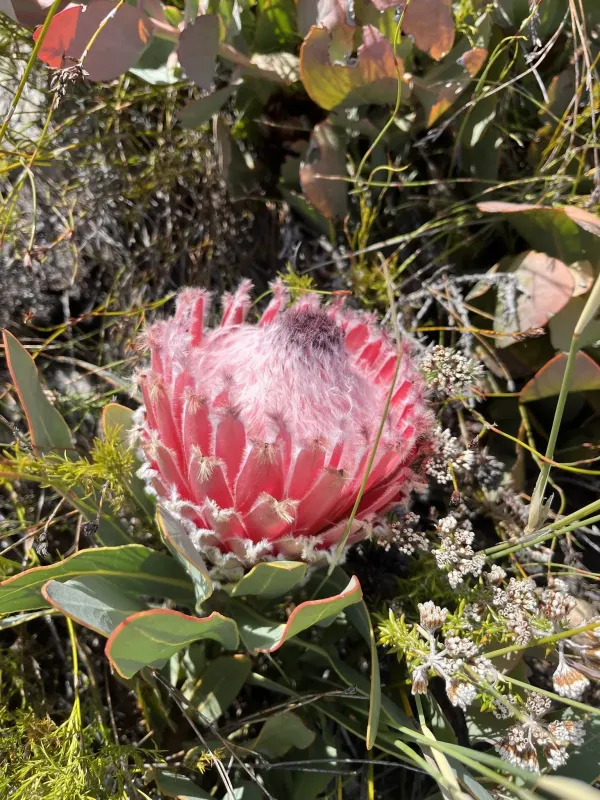
Description
Growing requirements
Protea magnifica x compacta belongs to the Proteaceae family. It is a highly valued hybrid cultivar grown commercially for its unique, structural inflorescences which are staples in the international cut flower market.
The plant originates from the fynbos biome in South Africa. It thrives in Mediterranean climates characterized by mild, wet winters and warm, dry summers, requiring full sunlight exposure to maintain its vigorous growth and vibrant floral colors.
The ideal growing medium is acidic, porous, and exceptionally well-drained. Protea species are notoriously sensitive to high phosphorus levels, which can be fatal; therefore, specialized low-phosphorus fertilizers must be used during cultivation.
Climatic requirements focus on air circulation and humidity control. High humidity coupled with low airflow is detrimental to the plant, often leading to physiological disorders and fungal infections in the flower bracts.
Cultural practices include precise irrigation management using low-salinity water. Regular pruning post-harvest is essential to rejuvenate the plant, encourage branching, and ensure high-quality flower production in the subsequent season.
Yield
Commercial production focuses on achieving consistent stem length and head size. Through proper field management and climate control in greenhouses, growers can achieve multiple flushes of blooms annually.
The plant demonstrates significant longevity, and an established plantation can be harvested for several years before replanting is required, provided that soil health is maintained through careful management.
Main diseases and pests
Phytophthora root rot remains the most significant threat to Protea crops. This pathogen thrives in waterlogged, poorly aerated soils, necessitating strict adherence to drainage and irrigation protocols.
Pests such as mealybugs and aphids are common concerns. They often target the developing flower buds, which can cause misshapen growth and reduce the economic value of the stems if not controlled early.
Harvesting
Harvesting is performed by hand when the flower heads have reached the desired stage of development. Professional growers typically aim for early-stage openness to maximize the shelf life for international export.
Post-harvest care involves immediate hydration and, in many cases, treatment with anti-ethylene agents. This ensures the Proteas remain in pristine condition throughout the cold chain distribution process.