
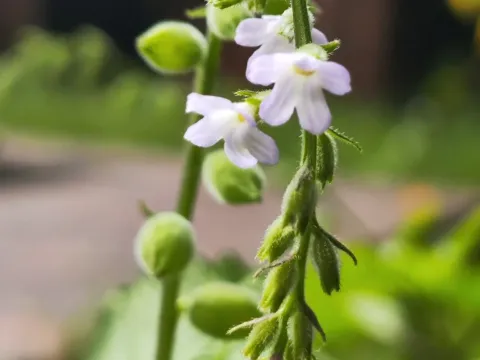
Priva
Priva
The genus Priva consists of perennial herbaceous plants or subshrubs belonging to the Verbenaceae family. In an agricultural context, these plants are not considered crops but are often classified as weeds within tropical and subtropical regions.
What the section contains


Priva
Reproduction of Priva in the wild occurs primarily through seeds. The seeds possess high viability, enabling the plants to rapidly colonize abandoned agricultural land, pastures, and roadsides.
Seed germination typically coincides with the beginning of the rainy season, when the soil is sufficiently moist to activate the embryo. Under moderate irrigation, seedlings can emerge almost year-round, posing challenges for farmers.
Biological development cycles of the plant are directly dependent on temperature. Intense growth of vegetative mass is observed at temperatures between 22 and 30 degrees Celsius, which is typical for their natural range.
There are no specialized sowing dates for Priva as it is not a cultivated plant. For experimental purposes, sowing is conducted in controlled greenhouse conditions with surface coverage in a light, moist substrate.
Priva prefers well-drained, fertile soils but exhibits high plasticity to various soil types. The plants successfully thrive in both loamy and sandy soils with a neutral acidity level.
The primary environmental requirement is adequate solar exposure. The plant is highly heliophilic; under shade, it slows down growth rates and reduces flowering intensity, which limits its spread in dense forest areas.
Priva has moderate moisture requirements. It can withstand short drought periods due to the development of a strong, albeit shallow, root system, allowing it to compete with agricultural crops.
The temperature regime is strictly tied to tropical climates. Frosty conditions are lethal to all species of this genus, limiting their natural distribution to regions without negative winter temperatures.
In terms of agricultural management, controlling the spread of Priva requires regular mechanical soil cultivation. Deep plowing inhibits root development and prevents massive emergence of young specimens in fields.
Like many members of the Verbenaceae family, Priva is susceptible to specific fungal diseases. Among these, powdery mildew, characterized by a white powdery coating on the leaves, and various types of leaf spots are the most common.
Pests attacking Priva include a wide spectrum of insect herbivores. Aphids and spider mites can colonize the plant's vegetative organs en masse during dry periods, weakening its natural defenses.
Control of these threats in field conditions is rarely performed, as the plant holds no commercial value. Conversely, agronomists aim to reduce pest populations to prevent them from migrating to beneficial agricultural crops.
To prevent the spread of diseases to adjacent crops, it is recommended to practice crop rotation and destroy Priva populations before the flowering stage, which significantly reduces the seed bank in the soil.
Chemical control, when necessary, involves the use of broad-spectrum herbicides. Given the resilience of some species, the most effective approach combines mechanical agricultural techniques with targeted pesticide application.