
Priva cordifolia
Priva cordifolia
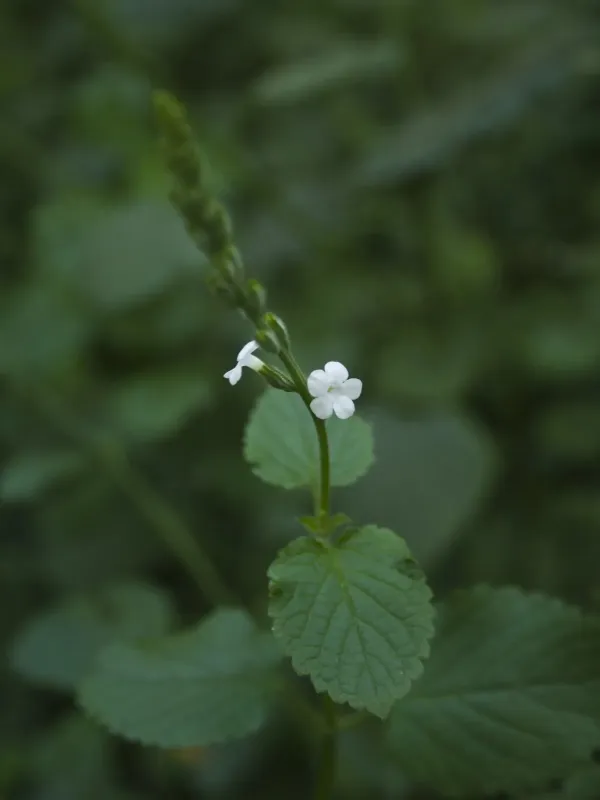
Description
Growing requirements
Priva cordifolia is a perennial herbaceous plant belonging to the Verbenaceae family. It is primarily found in tropical regions, where it thrives in diverse environments, ranging from grasslands to areas adjacent to human settlements.
The plant is distinguished by its cordate (heart-shaped) leaves and spikes of small, often white or purplish flowers. Its growth habit is typically erect, and it possesses specialized structures to survive in warm climates, making it a robust crop in its native range.
For optimal growth, this crop requires well-drained soil with a healthy supply of organic matter. It is relatively drought-tolerant once established, but it performs best when exposed to direct sunlight and supplied with adequate moisture throughout the growing season.
Climate-wise, Priva cordifolia requires temperatures that remain above 20 degrees Celsius. It is highly susceptible to frost damage, requiring indoor or greenhouse protection if grown in subtropical or temperate zones during cooler periods.
Its economic importance revolves around traditional therapeutic uses and its potential in botanical medicine research. Due to its adaptability, it is also being evaluated for soil cover management and as a niche botanical product in tropical agriculture systems.
Main diseases and pests
Fungal pathogens causing root rot are the primary threat to Priva cordifolia, especially in fields with poor drainage. Maintaining proper soil texture and implementing efficient irrigation systems are essential preventative measures against these diseases.
Insect pests, particularly aphids and spider mites, pose a significant risk during dry, hot weather. These pests can severely weaken the plant by extracting sap and potentially transmitting pathogens, requiring prompt scouting and management.
Foliar diseases, such as mildew, can appear if the plant is grown under high humidity with insufficient air movement. Proper spacing between rows and plants is highly recommended to encourage airflow and reduce the humidity levels around the foliage.
Integrated pest management strategies are advised to keep the crop healthy and productive. Using mechanical weed control is preferable to excessive chemical inputs, as it helps maintain the soil quality and preserves the beneficial microflora of the root zone.
Crop rotation protocols should avoid planting other Verbenaceae family members in the same field sequentially to prevent the build-up of host-specific diseases. Regular monitoring for early signs of infection remains the most effective management strategy for farmers.