
Priva lappulacea
Priva lappulacea
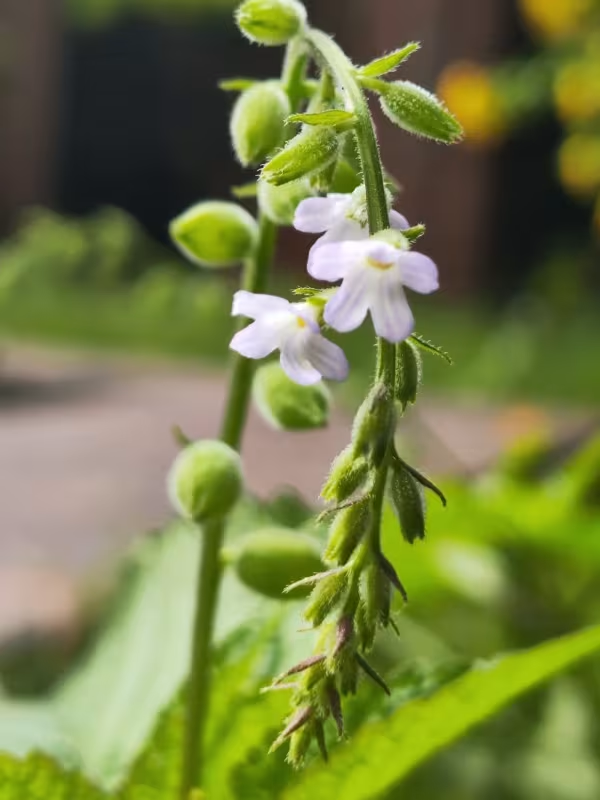
Description
Growing requirements
Priva lappulacea is a member of the Verbenaceae family, commonly recognized as a herbaceous plant native to tropical and subtropical regions of the Americas. It is known for its high ecological plasticity, allowing it to colonize diverse environments, from forest edges to agricultural clearings.
The plant exhibits distinctive morphological features, including opposite, ovate leaves with serrated margins and a stem structure that often features fine trichomes. These hairs serve an adaptive function, reducing transpiration rates during periods of high heat and low water availability.
Ideal cultivation conditions involve well-drained, fertile soils with a pH ranging from slightly acidic to neutral. The species thrives under full sun exposure, although it maintains moderate growth rates in partial shade, provided the light intensity is sufficient to support photosynthesis.
Climatic requirements are strictly tropical, necessitating stable warm temperatures between 20°C and 30°C. Cold sensitivity is a primary limiting factor for its range expansion, as the plant lacks any specialized mechanisms for dormancy during freezing weather.
Agrotechnical management primarily involves maintaining soil structure to prevent compaction. Due to the hooked nature of its seeds, the plant relies on dispersal by adhesion to animals or human clothing, which necessitates strategic weed management practices if kept in cultivated areas.
Main diseases and pests
Fungal infections, particularly those caused by powdery mildew, present a significant threat to the foliage of Priva lappulacea. These diseases typically manifest as white mycelial growth on leaf surfaces, significantly reducing the plant's photosynthetic area and overall vigor.
Pest pressures are often dominated by sap-sucking insects such as aphids and whiteflies. These pests cause stunted development and leaf curling, and they serve as primary vectors for various plant viruses that can significantly reduce crop yield or plant health.
Root system health is frequently challenged by soil-borne pathogens in overwatered conditions. Waterlogging creates an anaerobic environment that favors root decay, often leading to sudden wilting and eventual death of the affected specimens if drainage is not rectified.
Integrated pest management strategies are crucial for maintaining healthy stands. This includes the implementation of rigorous crop rotation and the physical removal of infected debris to interrupt the lifecycle of common fungal and insect pests.
Maintaining optimal spatial distribution between individual plants ensures adequate ventilation, which significantly lowers the risk of pathogen buildup. Regular monitoring and early identification of symptoms are essential to implementing effective control measures before infestations become widespread.