
Parodia subterranea
Parodia subterranea
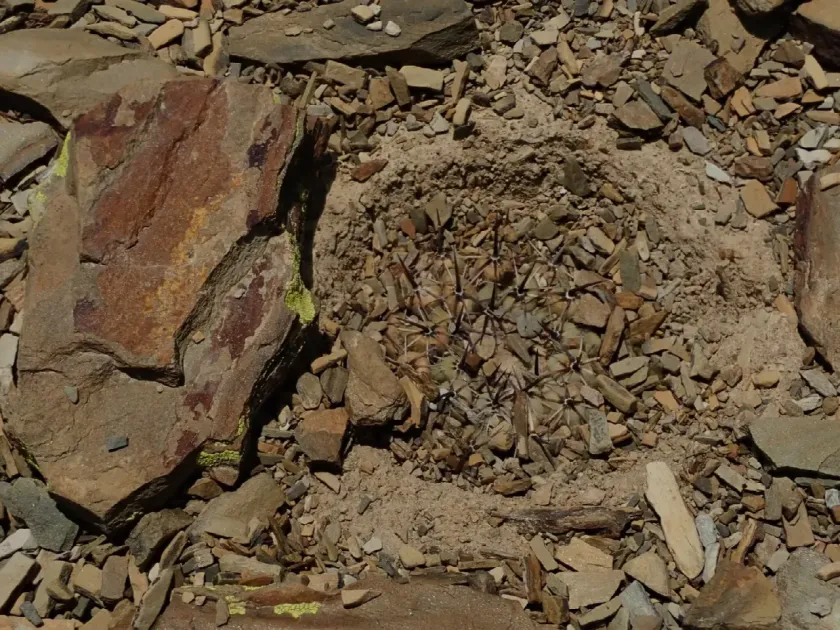
Description
Sowing dates
Propagating Parodia subterranea is primarily achieved through seeds, which must be fresh and stored properly to ensure high germination rates. The ideal season for sowing is early spring, as the increasing light levels provide the necessary energy for young seedlings to thrive.
The process begins by using shallow containers with sufficient drainage holes, filled with a sterile, well-draining mixture of coarse sand and peat. Seeds are scattered across the surface and lightly covered with a thin layer of fine, washed sand to maintain stability.
High humidity is essential during the initial phase of development. Covering the trays with a clear lid or plastic film creates a mini-greenhouse environment that protects the delicate seedlings from drying out too quickly.
As the seedlings grow, a gradual transition to lower humidity is required by slowly increasing the ventilation time each day. Pricking out should only occur once the cacti have developed a robust root system and small, hardened spines.
Consistent moisture management during the first few months is critical. While the soil should never be waterlogged, allowing it to become bone-dry can cause the tiny cacti to perish rapidly.
Growing requirements
Parodia subterranea belongs to the Cactaceae family and is native to the rugged terrains of Bolivia. It is an alpine species adapted to harsh mountain climates with intense sunlight and limited nutrient availability in the stony soil.
To ensure healthy growth, this cactus requires bright, indirect sunlight throughout the day. While it thrives in bright conditions, it is important to provide protection from the scorching midday sun to prevent thermal damage to the epidermis.
A mineral-rich, porous soil mix is vital for this species. A substrate consisting of sharp sand, perlite, and a small amount of potting soil allows for excellent drainage, which is the most important factor in keeping the root system healthy.
During the growing season, the plant enjoys moderate temperatures. However, it requires a distinct cooling period during the winter months, with temperatures dropping to between 5 and 12 degrees Celsius, to trigger proper budding and healthy development.
Watering should be performed only when the substrate is completely dry. In winter, the plant should be kept almost entirely dry to induce dormancy and prevent the development of root diseases.
Main diseases and pests
Root rot, caused by overwatering or poor drainage, is the primary threat to Parodia subterranea. Excess moisture in the soil quickly leads to the decay of the stem base and the eventual collapse of the entire cactus plant.
Mealybugs are the most common pests encountered with this species, as they tend to hide deep between the tubercles and spines. These insects sap the plant's vitality and can be difficult to eradicate once a colony has established itself.
Spider mites can also become a problem if the indoor air remains stagnant and excessively dry. They pierce the epidermis to feed, leaving behind discolored or scarred patches that diminish the plant's aesthetic value.
Effective pest control involves the use of systemic insecticides specifically labeled for cacti and succulents. It is crucial to monitor the plants frequently to catch any signs of infestation at the earliest possible stage.
Implementing a strict quarantine for all new arrivals is a fundamental practice for any collector. By isolating new plants, you prevent the potential spread of pathogens and pests to the rest of your established collection.