
Parodia aureicentra
Parodia aureicentra
Description
Sowing dates
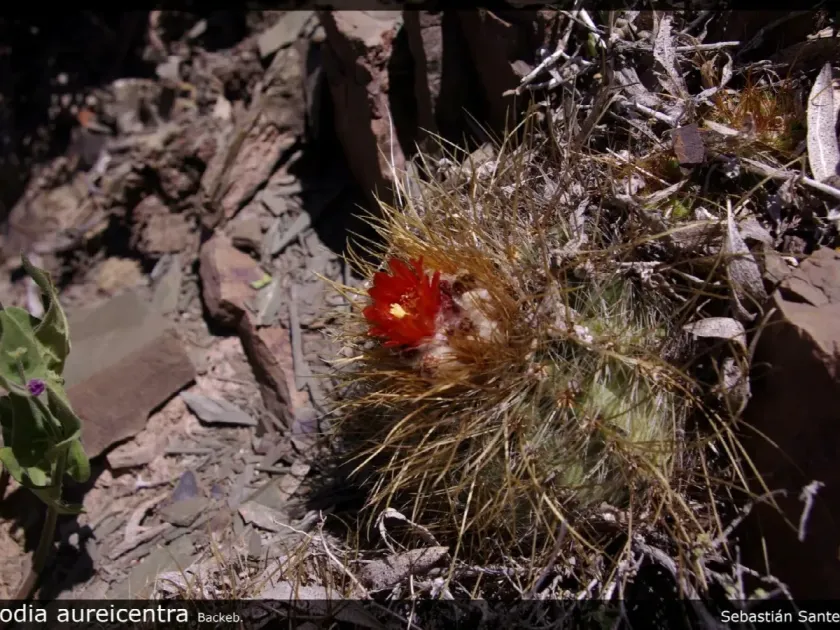
Parodia aureicentra is a distinct species of the Cactaceae family, known for its dense, golden-colored spines and globular to cylindrical stem.
Propagation by seeds is performed in early spring, utilizing a fine-textured, sandy, and well-draining substrate to ensure optimal root development for seedlings.
Seeds are placed on the surface of moistened soil and kept under a clear cover at a temperature range of 22 to 25 degrees Celsius for rapid germination.
Once seedlings begin to sprout, the cover is gradually removed to introduce the young plants to standard airflow and reduce the risk of damping-off.
Young parodias grow slowly, and it is recommended to keep them in their initial seed tray for at least one full growing season before the first repotting.
Growing requirements
This species requires high light intensity; a sunny windowsill or a greenhouse environment provides the best growth conditions for developing its characteristic spines.
Watering should be deep but infrequent, ensuring the soil dries out completely between sessions to prevent rot in the root and crown areas.
The potting medium must be highly porous, typically a blend of mineral components like coarse sand, pumice, and limited organic peat for acidity.
Winter dormancy is essential: the plant requires a cool, dry period at temperatures between 8 and 12 degrees Celsius to stimulate future flowering cycles.
Proper ventilation is crucial during the summer months to mimic the plant's natural Andean habitat and discourage the buildup of excess humidity.
Main diseases and pests
The most significant threat to Parodia aureicentra is root rot, which typically stems from poor drainage or excessive watering during dormant phases.
Common pests include the two-spotted spider mite, which flourishes in hot, dry conditions, and mealybugs that congregate within the deep areoles.
Regular monitoring and the use of appropriate contact or systemic pesticides are effective methods for controlling pest populations on cacti.
Fungal pathogens can occasionally cause corking or spotting on the epidermis, often linked to poor ventilation or sudden temperature fluctuations.
Maintaining a clean growing environment and sterilizing tools before any pruning or repotting prevents the spread of soil-borne diseases.
Harvesting
The primary use of this species is ornamental; it is a prized specimen in xeriscape design, succulent collections, and indoor container gardening.
Repotting of mature plants is necessary every two to three years to refresh the soil and ensure continued healthy development of the root system.
Vegetative propagation is less common but possible by harvesting offset pups, which must be calloused for several days before being planted in dry substrate.
Successful cultivation rewards the grower with vibrant, typically yellow or orange flowers at the apex of the stem during the mature stage of growth.
Periodic inspection of the plant's surface helps in identifying potential health issues and ensures the cactus remains in optimal display condition.