
Parodia chrysacanthion
Parodia chrysacanthion
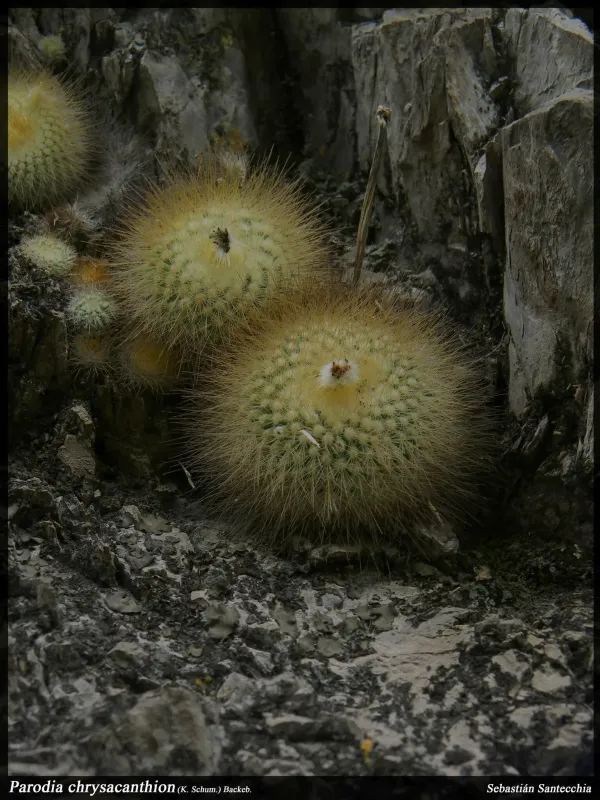
Description
Sowing dates
Propagating Parodia chrysacanthion is primarily done through seeds, as this species rarely produces offsets. The sowing process should begin in early spring using a shallow, well-draining container filled with a fine cactus soil mix.
Seeds are placed on the surface of the moist soil and should not be buried deeply. Covering the container with plastic wrap or glass helps maintain the high humidity required for germination, while placement in a warm spot is essential.
The optimal temperature for seed germination ranges between 22 and 26 degrees Celsius. Once the seedlings appear, it is crucial to provide bright, indirect light to prevent the small plants from stretching or becoming etiolated.
As the seedlings grow, they should be gradually acclimated to drier air. When they are large enough to handle, usually after a few months, they should be transplanted into individual small pots with fresh substrate.
Growth is slow, so patience is necessary during the initial stages. Young cacti require consistent but careful moisture control until they are well-established, after which they can handle longer dry intervals.
Growing requirements
Parodia chrysacanthion is a member of the Cactaceae family, native to the mountain regions of Argentina. To thrive, it requires a high-intensity light environment, ideally receiving several hours of direct morning sunlight.
The soil must be highly porous and inorganic-based. A standard mix should include grit, coarse sand, and a small amount of peat to ensure that water drains away quickly and roots are well-aerated.
Watering requirements follow the natural seasonal cycle. During the growing season, water when the soil is dry, but always ensure the pot has drainage holes to prevent root rot, which is a major risk for this species.
Winter dormancy is essential for this cactus. It requires a cool, dry environment with temperatures around 10 to 12 degrees Celsius, where it rests until the onset of spring warmth triggers new growth.
Fertilization should be kept to a minimum, using low-nitrogen liquid fertilizers specifically formulated for cacti. Excessive feeding results in weak, bloated growth that is more susceptible to environmental stress and pests.
Main diseases and pests
Root rot is the most significant threat to Parodia chrysacanthion, often caused by poor drainage or overwatering in cold temperatures. Once the roots are damaged, it is difficult to save the specimen without immediate surgical intervention.
Spider mites are a common nuisance, particularly in hot and dry indoor environments. These microscopic pests feed on the surface tissue, causing the stem to look discolored or pale, often leaving fine webs behind.
Mealybugs are another common pest that often hides within the dense spines, making them difficult to detect. They produce white, fluffy residues that indicate an active infestation requiring chemical or mechanical treatment.
Fungal infections can occur if the cactus is kept in a stagnant, humid atmosphere. Dark, sunken spots on the body of the plant are usually signs that the plant needs better ventilation and a drier growing medium.
- Inspect the plant frequently for signs of pests in the spine clusters.
- Always allow the substrate to dry out completely between waterings.
- Use sterile tools and fresh potting mix during every repotting process.