
Parodia claviceps
Parodia claviceps
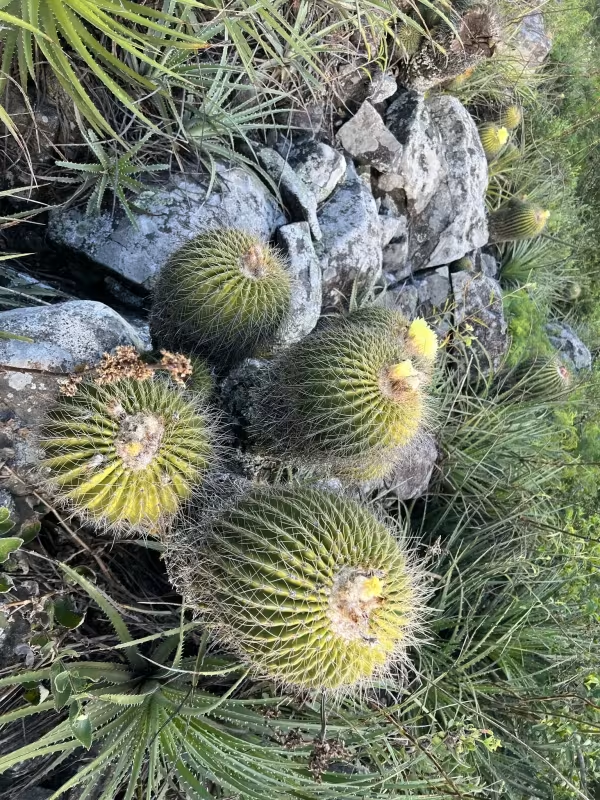
Description
Growing requirements
Parodia claviceps is a fascinating succulent species belonging to the Cactaceae family, native to the rocky landscapes of Brazil. Its name reflects its distinctive club-like, cylindrical shape, which becomes more elongated as the specimen matures and ages in its natural habitat.
The plant thrives under bright, filtered sunlight, which is essential for maintaining its compact form and vibrant spine coloration. In an indoor setting, an east or west-facing window provides the ideal balance of light intensity, preventing the risk of epidermis scorching during the intense midday hours.
A well-draining soil mix is mandatory for this species to survive in cultivation. The substrate should consist of professional cactus potting soil mixed with significant proportions of coarse sand, perlite, and fine gravel to ensure adequate aeration and prevent the accumulation of stagnant water.
Watering requirements follow the classic cycle of drying out completely between sessions. During the summer growth phase, moderate watering is necessary, while winter months require a dormant period with minimal moisture to reflect the plant's natural rhythm and avoid potential root rot.
Temperature management is critical for the long-term health of Parodia claviceps. While it appreciates warm summer temperatures between 22 and 28 degrees Celsius, the plant requires a cooling period in winter, ideally around 10 to 12 degrees, to properly prepare for the spring flowering cycle.
Main diseases and pests
Root rot is the most significant threat to Parodia claviceps, primarily caused by overwatering or poor soil drainage. If the base of the stem becomes soft or discolored, immediate repotting and the removal of compromised root tissues are required to save the plant from irreversible decline.
Mealybugs are frequent pests that nest within the dense spine clusters of the cactus, making manual removal difficult. Using systemic insecticides provides the most reliable protection, as these chemicals are absorbed into the plant's tissues, effectively eliminating the pests from hidden crevices.
Spider mites can become a major issue in environments with low air humidity and poor ventilation. These microscopic pests feed on the surface cells of the cactus, resulting in unsightly discolored patches and weakening the overall vitality of the organism if left untreated.
Scale insects may also attach themselves to the ribs of the plant, drawing nutrients and creating entry points for secondary infections. Early detection through regular visual inspections allows for prompt treatment with appropriate horticultural oils or systemic pesticides to stop the spread.
Preventative hygiene, such as keeping the growing area clean and ensuring good airflow, significantly reduces the likelihood of pest outbreaks. Maintaining high standards of care is the best strategy to keep Parodia claviceps healthy and free from common succulent diseases.