
Parodia alacriportana
Parodia alacriportana
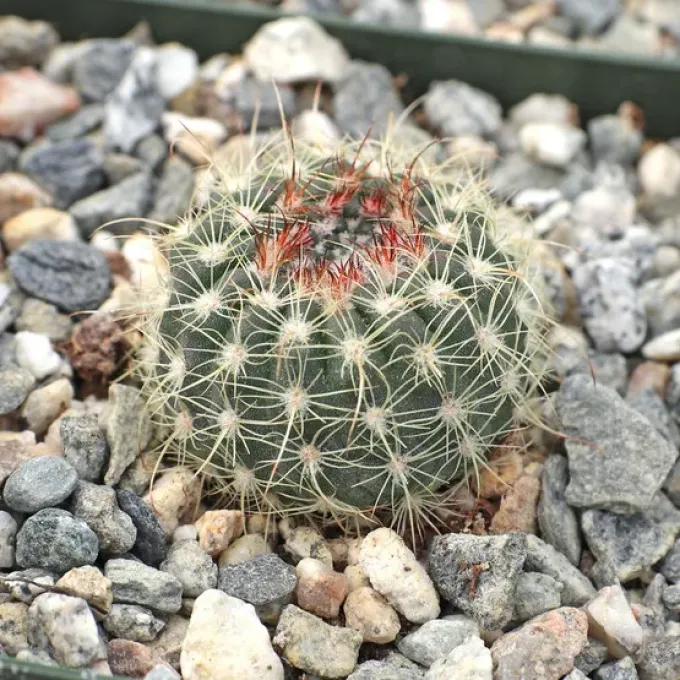
Description
Growing requirements
Parodia alacriportana is a species of the Cactaceae family, originating from the arid regions of Brazil. This cactus species is highly appreciated by collectors for its unique body structure and vibrant flowers.
Proper cultivation requires a bright location with plenty of indirect sunlight. While it thrives in warm climates, it must be shielded from intense, direct midday sun to prevent scorching of the epidermis.
The ideal potting medium should be porous and fast-draining. A typical mix consists of mineral-based grit, perlite, and a small amount of organic substrate, ensuring that water does not remain at the root level for long.
Temperature management is key during the growth phase, with an ideal range of +20°C to +25°C. During the dormant winter season, temperatures should drop to approximately +10°C to encourage healthy rest cycles.
Watering must be performed with caution. Allow the soil to dry out completely between waterings, and significantly reduce the moisture supply during the winter to mimic the natural dry season of its habitat.
Main diseases and pests
Root rot remains the most critical threat to Parodia alacriportana. It is often caused by overwatering or using a heavy, non-porous soil mix that fails to allow adequate root respiration.
Mealybugs are a frequent pest that can colonize the plant. They thrive in the crevices between the cactus ribs and can be controlled using soft brushes soaked in isopropyl alcohol or systemic insecticides.
Spider mites are another common concern, especially in environments with poor air circulation and low humidity. They damage the skin of the cactus, often leading to unsightly scarring that cannot be reversed.
Fungal infections can occur when the plant is kept in humid conditions with poor ventilation. Using a fungicide and ensuring proper airflow around the plant are essential prevention strategies.
Proper nutrient management involves using low-nitrogen fertilizers. Excessive nitrogen causes unnatural, rapid growth that weakens the cactus's structural integrity and makes it more susceptible to various pests.