
Parodia commutans
Parodia commutans
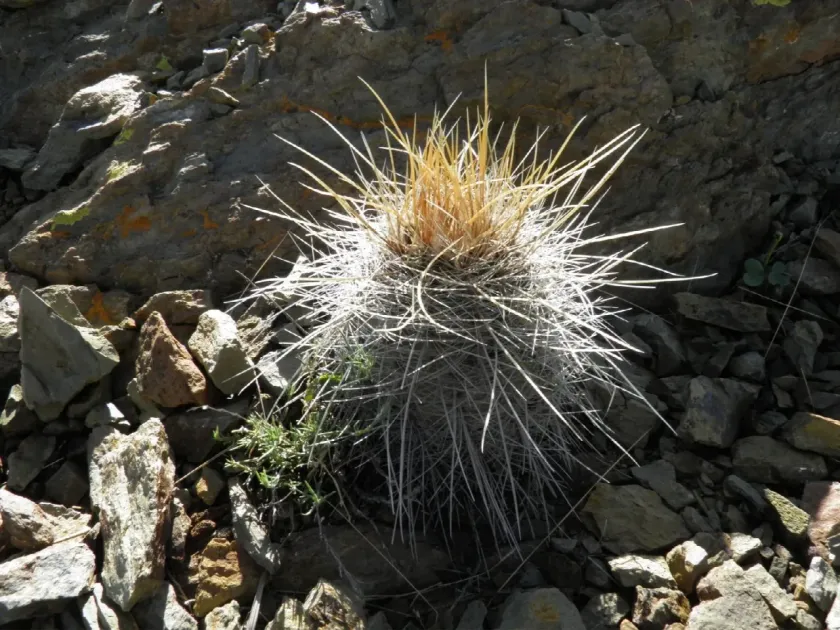
Description
Sowing dates
Propagating Parodia commutans from seeds is a rewarding process that requires patience and strict adherence to moisture and temperature conditions. Spring is the optimal season for sowing.
Prepare a shallow container filled with a sterile, well-draining soil mix consisting of coarse sand and sieved peat. Ensure the surface is level before sowing the seeds evenly.
Cover the seeds with a very thin layer of sand and moisten the soil using a spray bottle. Place the container in a warm area with temperatures between 22 and 25 degrees Celsius.
Maintain high humidity by covering the pot with a lid or plastic wrap until germination occurs. Once the seedlings appear, gradually introduce fresh air by removing the cover periodically.
Seedlings should remain in the initial container for several months before being moved to individual small pots to avoid root disturbance.
Growing requirements
Parodia commutans is a member of the Cactaceae family, known for its distinctive appearance and vibrant flowers. It is native to South America, specifically inhabiting rocky, mountainous terrains.
This cactus requires bright, filtered light. Too much direct sun can scorch the stem, while insufficient light will cause the plant to become etiolated and lose its compact shape.
The potting medium must provide excellent drainage. A specialized cactus mix enhanced with pumice or coarse grit is ideal to prevent the roots from sitting in stagnant water.
Temperature management is crucial: the plant thrives in warm summer conditions but requires a cooler, dry dormancy period during the winter months to encourage future flowering.
Watering should be deep but infrequent. Allow the soil to dry out completely between sessions to mimic the natural arid environment of the plant.
Main diseases and pests
The most significant threat to Parodia commutans is root rot, typically caused by overwatering or soil mixes that hold moisture for too long, leading to tissue decay.
Pests such as red spider mites can pose a serious threat, especially in hot, dry conditions. They suck sap from the epidermis, causing visible spotting and structural damage.
Mealybugs are another common nuisance. These pests settle in the crevices between the cactus ribs and can be difficult to eradicate once a colony has established itself.
Effective management involves early detection through regular inspections and the application of appropriate acaricides or systemic insecticides if an infestation is confirmed.
Maintaining good airflow and ensuring that the plant is not overcrowded can significantly reduce the risk of both fungal diseases and common cactus-related pests.