
Parodia ayopayana
Parodia ayopayana
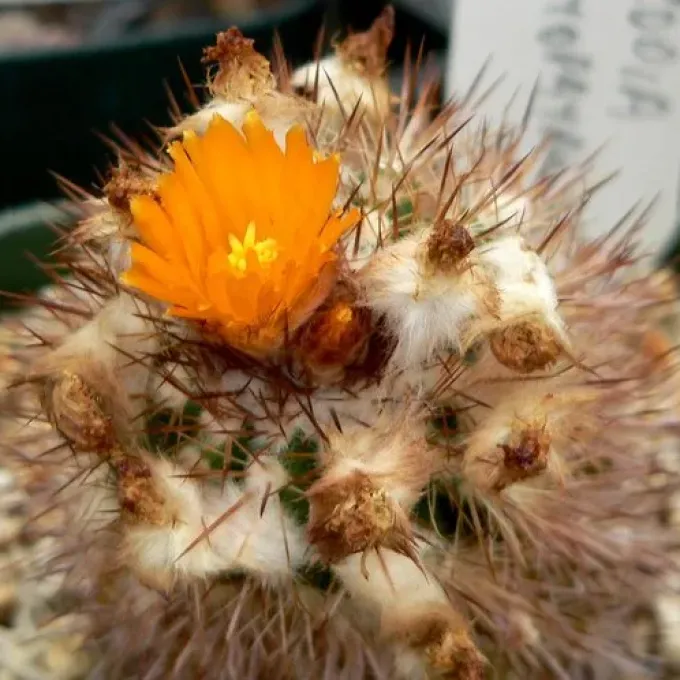
Description
Growing requirements
Parodia ayopayana is a perennial cactus species belonging to the family Cactaceae. Originating from the mountainous regions of Bolivia, this plant has adapted to withstand the harsh, rocky environments characteristic of high-altitude habitats.
In cultivation, this species requires high levels of bright, indirect sunlight to maintain its natural shape and promote healthy growth. Direct intense sunlight should be avoided during the peak hours of the day to prevent epidermal scorching and severe stress.
The substrate requirements are strict: the soil must be highly porous and fast-draining to prevent water accumulation near the root system. A mineral-based mixture consisting of gravel, pumice, and limited organic matter is recommended for the long-term health of the plant.
Temperature management is critical for the success of Parodia ayopayana. While it thrives in warm temperatures during the growing season (20–25°C), it requires a distinct cooling period during the winter months, typically around 10–12°C, to initiate proper blooming.
Watering should be performed cautiously, allowing the soil to dry out completely between irrigation sessions. During winter dormancy, the plant should be kept almost completely dry, with only minimal hydration to prevent root desiccation without inducing rot.
Main diseases and pests
The most common pests affecting this cactus include mealybugs and spider mites. These pests thrive in dry indoor conditions and can cause significant damage to the plant's delicate tissues if not monitored and treated immediately.
Fungal infections, particularly root rot, are the most frequent cause of mortality in Parodia species. These are usually the result of excessive soil moisture, poor drainage, or a lack of adequate airflow around the base of the plant.
Effective pest management involves the use of specialized insecticides or horticultural oils. When applying treatments, it is crucial to ensure that the product does not remain trapped in the crevices of the stem, as this may lead to chemical burns.
Disease prevention relies on maintaining a clean growing environment and ensuring the plant is not kept in high-humidity areas. Proper ventilation is essential to discourage the development of fungal spores and to support overall plant vigor.
- Annual repotting in sterile substrate.
- Systematic inspections of the stem surface.
- Regular cleaning of the growing area.
- Isolation of new botanical specimens.