
Parodia crassigibba
Parodia crassigibba
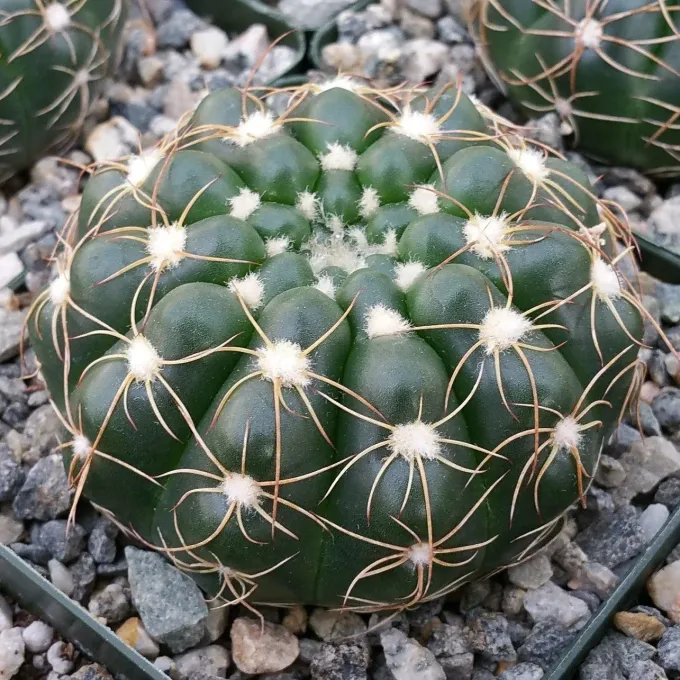
Description
Sowing dates
Seed propagation of Parodia crassigibba requires a stable temperature range between 20–25°C. Seeds should be sown on the surface of a light, well-draining substrate consisting of sand and peat.
The most important factor is maintaining consistent moisture until germination. Typically, the first seedlings appear within 2–3 weeks under adequate lighting conditions.
After germination, it is crucial to gradually acclimate the young plants to open air by opening the propagator. Pricking out young cacti should be done no earlier than one year after sowing.
Bottom heat is often used to accelerate growth rates. It is essential to avoid direct sunlight during the germination phase to prevent the tender seedlings from being scorched.
The optimal time for sowing in indoor conditions is spring, when the increasing day length provides natural stimulation for the plant's biological development.
Growing requirements
Parodia crassigibba is a cactus belonging to the Cactaceae family, native to South America. In its natural habitat, it thrives in the rocky savannas of Brazil and Uruguay.
For successful growth, this cactus requires bright but indirect light. Insufficient light causes the stem to etiolate, leading to the loss of its characteristic spherical shape.
The soil mix should have a neutral or slightly acidic pH. An ideal substrate includes turf soil, leaf mold, coarse sand, and fine gravel to ensure proper drainage and root health.
Watering should be moderate during the active growing season from spring to autumn. The soil must dry out completely between waterings to prevent the roots from rotting due to stagnant water.
During the winter months, the plant requires a dormant period with cooler temperatures ranging from 5°C to 10°C. Watering is significantly reduced to keep the substrate almost dry.
Main diseases and pests
The spider mite is the most dangerous pest, frequently attacking cacti kept in dry indoor environments. Effective control is achieved through the use of specific acaricides.
The mealybug also poses a significant threat, hiding in the folds of the stem and between the spines. Manual removal using an alcohol solution or systemic insecticides is recommended.
Root and stem rot remain the primary concerns, usually caused by overwatering or poor drainage. Affected tissue must be removed immediately, followed by repotting into fresh, dry soil.
To prevent fungal infections, good air circulation is vital. Always ensure that no water remains in the drainage tray after watering to protect the plant from infection.
- Conduct regular inspections of the epidermis and spines for pest presence.
- Apply fungicides if any signs of spotting or decay appear on the stems.
- Maintain a quarantine for any new plants before adding them to your existing collection.