
Parodia columnaris
Parodia columnaris
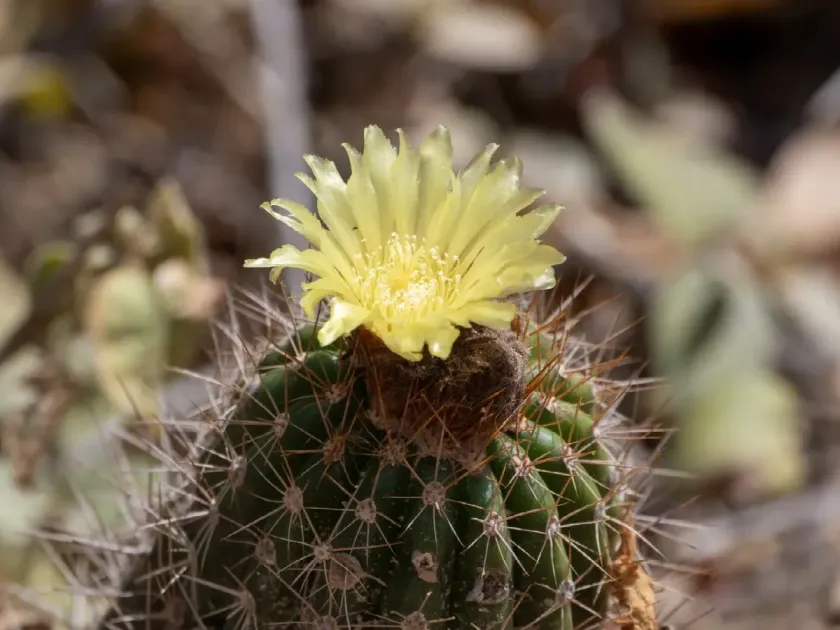
Description
Growing requirements
Parodia columnaris is a distinct species of succulent belonging to the Cactaceae family. Originating from the rugged terrains of South America, this plant is well-adapted to rocky environments and high-altitude habitats where rainfall is intermittent.
The botanical structure of this cactus is defined by its column-shaped body, which displays a series of vertical ribs adorned with robust spines. These spines serve not only as a defense mechanism but also as a shading tool that protects the succulent epidermis from intense UV radiation.
Cultivation requirements for this species include abundant light, preferably direct morning or late afternoon sun. During the active growth phase, watering should be consistent but allow the soil to dry out completely, while a dry and cool dormancy period during winter is essential for future flowering.
The choice of soil is paramount for healthy development; a highly porous, gritty mix is required to simulate its native habitat. A blend of coarse sand, pumice, and limited organic matter prevents the roots from sitting in stagnant moisture, which is the primary cause of decline.
Host-oriented applications focus on the ornamental value of this plant in xeriscaping or indoor collections. Its slow growth rate and architectural aesthetic make it a highly sought-after specimen for cactus enthusiasts who prioritize low-maintenance yet visually striking botanical displays.
Main diseases and pests
Common pests affecting Parodia columnaris include red spider mites and mealybugs, which thrive in stagnant, dry air conditions. Regular inspection and localized treatment with systemic insecticides or neem oil effectively mitigate the spread of these parasitic insects.
Fungal infections are the greatest threat to this cactus, particularly when combined with excessive soil moisture. Root rot is notoriously difficult to cure, making preventative measures such as strict watering discipline and excellent ventilation the primary defenses for the long-term survival of the plant.