
Parodia schumanniana
Parodia schumanniana
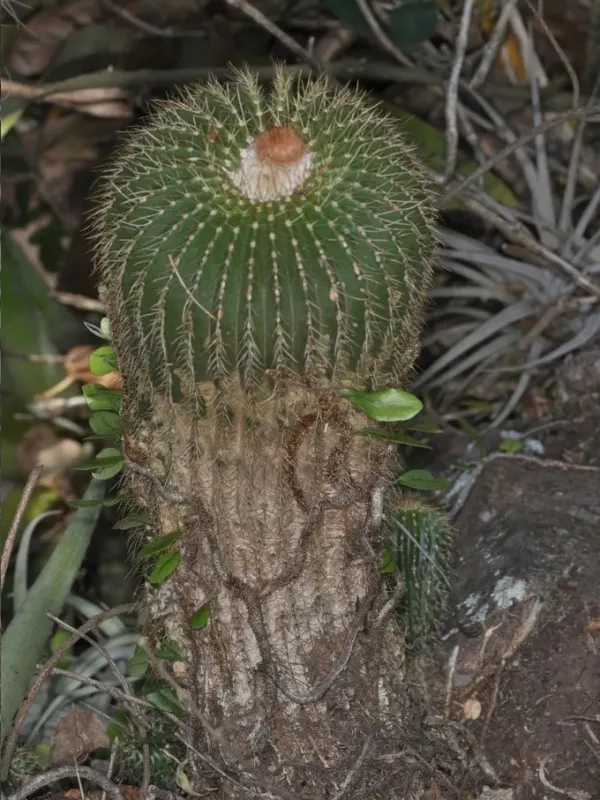
Description
Growing requirements
Parodia schumanniana is a distinctive species within the Cactaceae family, native to the rocky regions of South America, primarily spanning parts of Paraguay, Argentina, and Brazil. Known for its globular body that matures into a cylindrical shape, it is a prized specimen for cactus enthusiasts.
The plant thrives in bright, filtered sunlight. While it appreciates intense light, prolonged exposure to direct midday sun can scorch the stem. Maintaining a temperature range between +20°C and +30°C during the growing season is ideal, with a cooler dormant phase in winter around +10°C.
Cultivation requires a highly porous and well-draining substrate to mimic its natural environment. A mix containing coarse sand, pumice, and loam is recommended to ensure that moisture does not accumulate around the base of the cactus, preventing potential root respiration issues.
Watering must be strategic; it should be applied thoroughly during the active growing phase only when the substrate is completely dry. During the winter rest period, watering should be reduced to an absolute minimum to simulate the arid conditions that the plant is biologically adapted to.
The aesthetic and botanical value of Parodia schumanniana makes it an excellent candidate for both container gardening and specialized desert-style arrangements. With proper care, the plant develops a robust, healthy structure and may reward the grower with vibrant, yellow, funnel-shaped flowers.
Main diseases and pests
Common pests affecting this species include mealybugs and spider mites. These insects tend to hide in the crevices between the tubercles and spines. Regular monitoring and the application of appropriate contact or systemic insecticides are essential for maintaining plant health.
Fungal diseases are the primary threat, often triggered by excessive moisture and poor air circulation. Root rot is a significant risk, frequently caused by overwatering. Ensuring an efficient drainage system and allowing the substrate to breathe are critical preventive measures for any collection.