
Parodia ritteri
Parodia ritteri
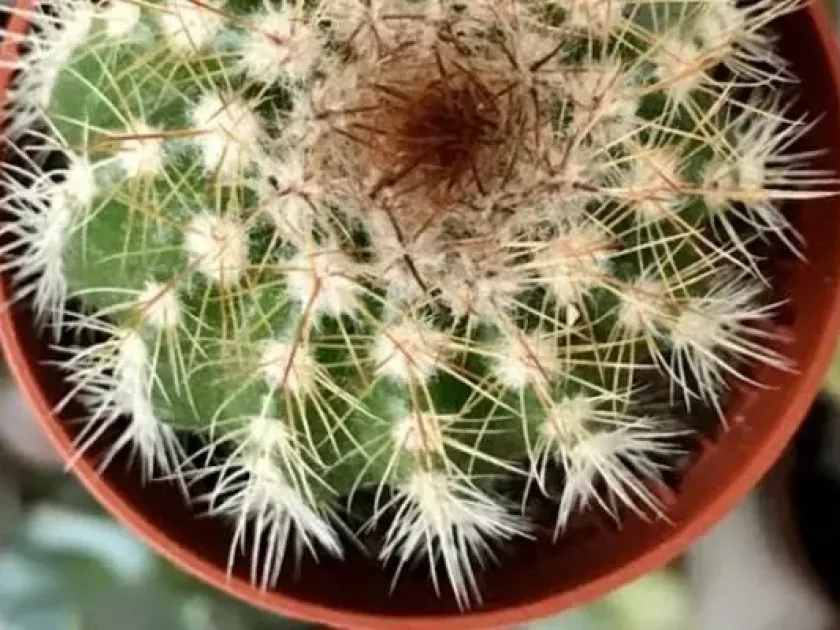
Description
Sowing dates
The sowing of Parodia ritteri seeds is typically performed in early spring to capitalize on the increasing photoperiod. Proper light duration is essential for the healthy development of seedlings during their initial months of life.
A sterile, sandy, and well-draining substrate is required for successful germination. The seeds should be sown thinly on the surface and pressed lightly into the soil without deep burial, as they require light to germinate.
Maintaining a constant temperature between 22 and 25 degrees Celsius is crucial. A humidity-retaining cover, such as glass or plastic, should be kept over the seedling tray until the first spines are fully formed.
Seedlings of this species are slow-growing and require patience. Once the seedlings reach a sufficient size, they can be carefully moved to larger pots, ensuring that the roots are not damaged during the process.
Avoid direct exposure to harsh sun during the first few weeks after the cover is removed. Gradual acclimatization to lower humidity levels is necessary to prevent the tender seedlings from drying out prematurely.
Growing requirements
Parodia ritteri belongs to the Cactaceae family and originates from the rocky, arid habitats of South America. It is a highly specialized plant that thrives in environments where water is scarce but sunlight is abundant.
The cactus requires intense, filtered sunlight to maintain its compact shape and vibrant spine coloration. Direct midday sun in a greenhouse or window may require some shading to prevent scorching the cactus body.
Soil composition must prioritize drainage. A typical mix includes high-quality potting soil combined with substantial amounts of grit, volcanic rock, or coarse sand to ensure water passes through the pot rapidly.
Watering should be rhythmic, mimicking the seasonal rains of its native habitat. During the summer, water thoroughly, then allow the substrate to dry out completely before providing the next watering cycle.
Winter dormancy is a critical physiological requirement for this species. Keeping the plant cool and dry during the colder months promotes the development of flower buds for the upcoming spring season.
Main diseases and pests
Rot is the most dangerous threat to Parodia ritteri, usually triggered by excessive moisture lingering in the substrate. If the roots remain wet for too long, they will inevitably succumb to fungal decay.
Spider mites are common pests that thrive in the dry air often found in indoor environments. They pierce the cactus skin to extract sap, which leaves behind discolored patches and weakens the overall structure.
Mealybugs can also infest the plant, hiding in the crown or among the dense spines. Regular monitoring and physical removal, or the use of systemic insecticides, are necessary to keep infestations under control.
Fungal infections can also occur due to poor ventilation. Ensuring good airflow around the plant helps prevent dampness and disease, keeping the cactus healthy and resistant to opportunistic pathogens.
In case of severe infestation or rot, immediate action is required. This may involve root pruning, fungicide treatment, or re-rooting the cactus in fresh, dry soil to prevent the total loss of the specimen.