
Parodia procera
Parodia procera
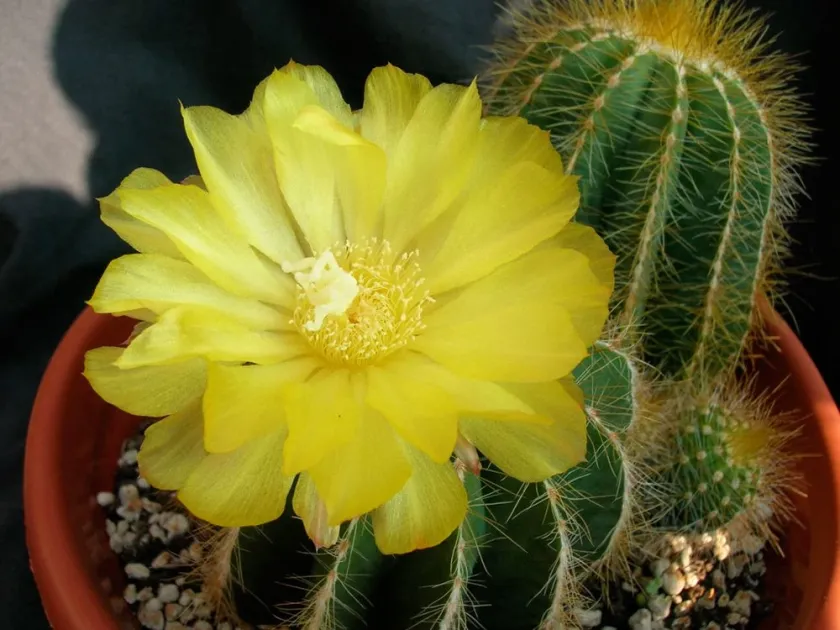
Description
Growing requirements
Parodia procera is a member of the Cactaceae family, native to the rugged terrains of South America. It is recognized for its impressive spherical to columnar growth habit, making it a desirable specimen for cactus collections and specialized succulent nurseries.
The botanical structure includes distinct ribs adorned with dense, often hooked spines. These spines are not only a defense mechanism but also serve to diffuse intense solar radiation in the arid, high-altitude environments where the plant naturally originates.
Cultivation success relies on precise environmental control. As a photophilous plant, it requires high light intensity. In greenhouse environments, supplemental lighting or optimal positioning is necessary to maintain compact growth and induce the plant's characteristic vibrant blooms.
Soil composition must prioritize drainage above all else. A porous substrate consisting of volcanic rock, coarse sand, and a small portion of organic matter is ideal. The pH should remain slightly acidic to neutral to ensure proper nutrient uptake.
Watering requirements are strictly seasonal. During the growing season, a soak-and-dry method is recommended, whereas the winter dormancy period demands total drought to prevent tissue rot. Proper ventilation is essential to maintain metabolic health throughout the year.
Main diseases and pests
Root rot, primarily caused by Phytophthora or Pythium species, remains the primary threat to Parodia procera. This condition is almost always a result of substrate waterlogging, which compromises the delicate root structure of the cactus.
Mealybugs represent a significant pest challenge. These insects thrive in the protected spaces between the ribs and the dense spine clusters, often going unnoticed until the infestation reaches a critical level requiring systemic treatment.
Spider mites are also frequent invaders, particularly in controlled environments with low humidity. Their feeding activities cause localized chlorosis and disfigurement of the epidermis, which can lead to secondary fungal infections.
Integrated pest management (IPM) strategies, including biological controls or targeted chemical applications, are recommended for large-scale production. Regular inspection of the plant's apex is vital for early detection of any physiological stress.
Cultural practices such as clean sanitation during repotting and the use of sterile growing media are the most effective prophylactic measures. Ensuring optimal airflow around the plant body significantly reduces the risk of fungal outbreaks in humid conditions.