
Snowball cactus
Parodia nivosa
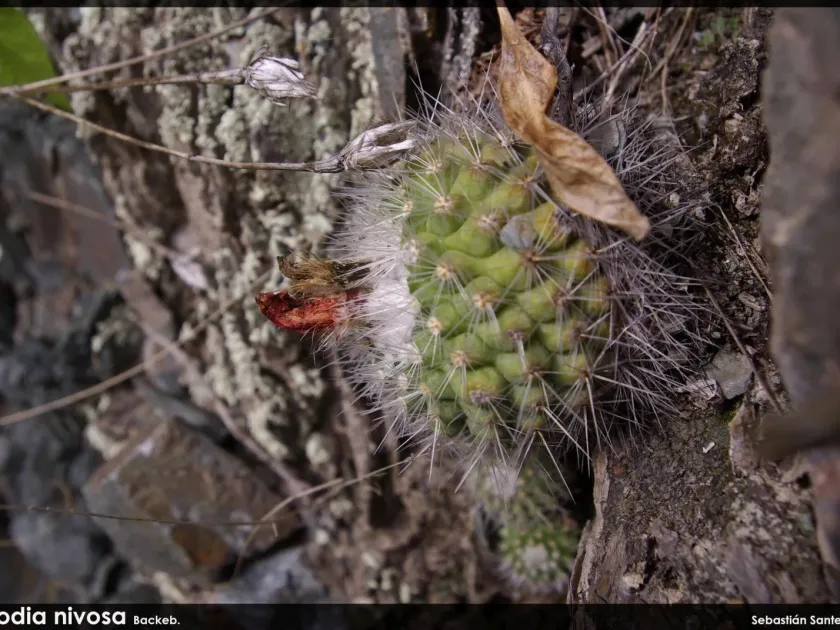
Description
Sowing dates
Sowing seeds of Parodia nivosa should ideally take place during the spring season when daylight hours are longer, which significantly improves the germination rate.
A sterile, sandy, and well-draining substrate is required to prevent the development of fungi, which is a common problem for delicate cactus seedlings.
Seeds are scattered on the surface and pressed slightly into the soil, keeping the surface consistently moist until germination occurs under a transparent cover.
Controlled ventilation is necessary after the seedlings emerge to ensure that the young plants grow sturdily and avoid becoming etiolated due to poor airflow.
Transplanting is carried out once the seedlings develop sufficient spines, which usually happens several months after the initial sowing phase is completed.
Growing requirements
The Snowball cactus belongs to the Cactaceae family and is native to high-altitude regions of South America, preferring rocky habitats with excellent drainage.
The species requires bright, filtered sunlight to thrive; while it needs a lot of light, harsh midday sun can lead to sunburn on the plant's epidermis.
The soil should be a specialized cactus mix with high mineral content, such as coarse sand, gravel, and minimal organic matter to mimic its natural environment.
Watering must be strictly regulated: water deeply during the growing season, allowing the soil to dry out completely between waterings to prevent root decay.
During the winter months, the plant enters a period of dormancy, necessitating cooler temperatures and minimal to no moisture to survive until the next growing cycle.
Main diseases and pests
Common pests affecting Parodia nivosa include spider mites, which thrive in low-humidity environments, and mealybugs that hide between the spines.
Root rot remains the most serious threat, usually caused by overwatering or poor drainage systems in containers, leading to the rapid deterioration of the plant's health.
Regular inspection of the root collar and the spines is essential for identifying potential pest colonies before they cause irreversible damage to the cactus tissue.
If an infection is detected, the affected parts should be treated with appropriate systemic fungicides or insecticides depending on the nature of the pathogen or pest.
Maintaining a clean growing environment and avoiding high humidity during the dormant stage are the most effective preventive measures against major diseases.