
Parodia muricata
Parodia muricata
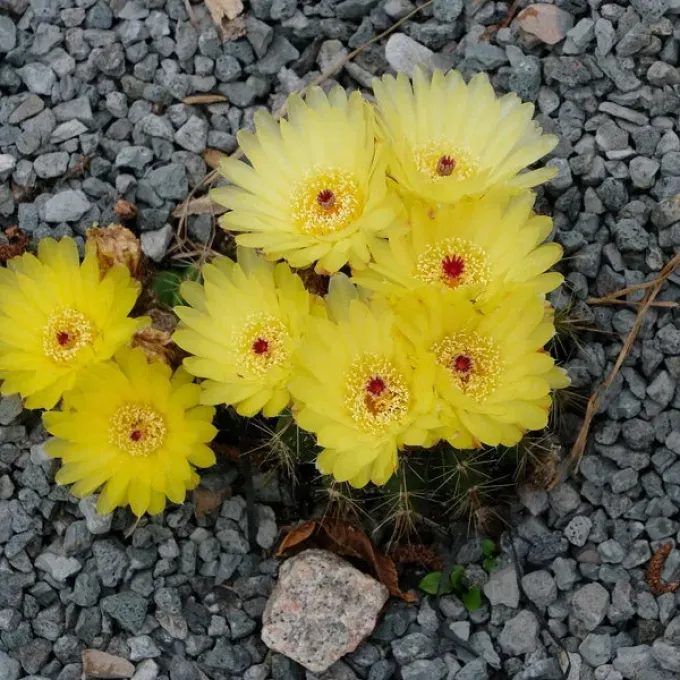
Description
Sowing dates
Propagation of Parodia muricata is typically carried out via seeds, which is the most reliable method for amateur and professional growers. The best time for sowing is during early spring to ensure the seedlings benefit from the increasing light intensity.
The substrate for sowing must be highly porous, typically composed of a mix of fine grit, sand, and sterile peat. Seeds should be sown on the surface and pressed slightly into the substrate without covering them with soil.
Maintaining high humidity during the initial germination phase is essential. Using a clear plastic cover over the seed tray creates a micro-greenhouse environment, which should be kept at a steady temperature between 22–25 degrees Celsius.
Once seedlings emerge, they should be gradually acclimated to lower humidity by removing the cover for short periods daily. Consistent, gentle moisture is vital, as small seedlings lack the water-storage capacity of mature plants.
Seedlings should remain in the germination container until they have developed strong enough spines, indicating they are ready for their first individual pots. This transition period requires careful handling to avoid root damage.
Growing requirements
Parodia muricata is a member of the Cactaceae family, native to the rocky landscapes of South America, specifically Uruguay and Brazil. This cactus thrives in high-light environments and requires as much direct sunlight as possible to maintain its characteristic spine development.
The ideal soil is a professional cactus mix enriched with inorganic additives like pumice or perlite to ensure rapid drainage. Water should never accumulate in the pot, as the root system is highly susceptible to rot when left in damp, heavy soil.
Temperature management is critical for the health of this species. During the summer, it enjoys warm days, while the winter dormant phase must be cool and dry, ideally between 8–12 degrees Celsius to trigger future blooming cycles.
Watering should be rhythmic and sparse. During the peak growing season, water only when the substrate has dried out completely. In winter, water should be withheld almost entirely to simulate the natural arid climate of its origin.
Occasional fertilization with a specialized, low-nitrogen cactus formula will encourage healthy growth. Over-fertilization should be strictly avoided to prevent elongated, weak stems that lose the natural, compact aesthetic of the species.
Main diseases and pests
Spider mites are the most common pests affecting Parodia muricata, especially in indoor environments with low humidity. They can cause unsightly scarring on the skin of the cactus, which remains visible for many years.
Root rot is the primary disease threat, often caused by excessive watering or poor ventilation. If the soil remains saturated for long periods, the roots lose their ability to breathe, leading to rapid decay of the entire plant.
To treat mite infestations, use a specific acaricide or a gentle insecticidal soap. Applying treatments in the evening prevents the risk of sunburning the succulent tissues while they are wet with the product.
Prevention of rot is achieved through proper drainage and careful observation. If a plant shows signs of softness at the base, it must be removed from its pot immediately to inspect the root structure and remove any affected tissue.
Ensuring proper airflow around the plant helps reduce the risk of both fungal infections and pests. A well-ventilated space prevents moisture from stagnating around the stem, which is the most effective way to keep the plant healthy.