
Parodia microsperma
Parodia microsperma
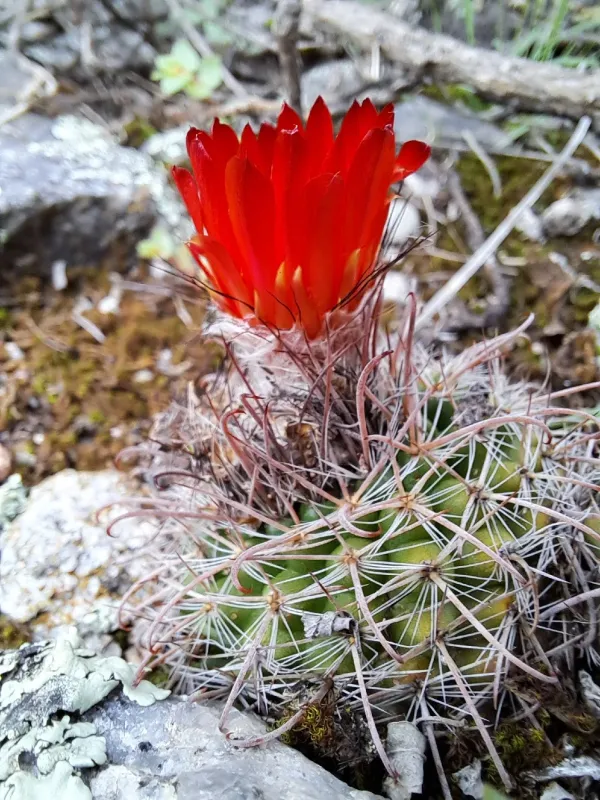
Description
Sowing dates
Seed propagation of Parodia microsperma is primarily conducted in the spring when daylight hours begin to increase. The optimal time is from March to April, which provides seedlings with sufficient light for early development.
For sowing, use flat containers with drainage holes filled with a mixture of sod soil, leaf humus, and coarse sand. A key requirement is the sterilization of the substrate to prevent the development of pathogenic microflora.
Seeds are sown on the surface without burying them, only lightly covering them with a thin layer of sand. The container is covered with glass or transparent film to maintain constant humidity and a temperature between 20–25 degrees Celsius.
Sprouts emerge unevenly, and the process can take from one to four weeks. After germination, seedlings require regular but careful ventilation to avoid mold growth and waterlogging of the soil surface.
Pricking out of young plants is performed once they reach the size of a pea and strengthen. This stimulates root system development and provides sufficient space for growth in individual pots.
Growing requirements
Parodia microsperma prefers bright but diffused light. In conditions of intense midday sun, plants must be shaded, as direct rays can cause epidermal burns, especially in young specimens.
Soil requirements include excellent water and air permeability. An ideal medium is a substrate for cacti with a neutral or slightly acidic reaction, which must include perlite or fine gravel to improve drainage properties.
Temperature control during the summer period should be maintained between 22–28 degrees. During the winter dormancy period, lasting from November to February, plants should be kept in a cool room at 10–12 degrees.
Watering should be moderate during the active growth phase. In summer months, the soil should dry out almost completely between waterings. In winter, watering is practically ceased, maintaining only minimal soil moisture to prevent stem shriveling.
The crop is extremely sensitive to moisture stagnation in the roots, so a thick drainage layer at the bottom of the pot is a critical requirement of agronomy. Failure to follow this leads to rapid root rot.
Main diseases and pests
The primary threat to the plant is root rot, caused by overwatering and lack of drainage. Infections spread rapidly through the stem, turning internal tissues into a soft mass.
The spider mite is a major pest that attacks the plant in conditions of excessively dry air. Its presence can be identified by thin webbing between the cactus ribs and the appearance of light spots on the skin.
Mealybugs often reside in hard-to-reach places between the plant's spines. The pest sucks sap, leading to weakening of the cactus and the development of sooty mold on the insect's excrement.
Scale insects can also parasitize the stems of Parodia microsperma. These pests attach firmly to the surface and feed on sap, which requires the use of systemic insecticides for effective population control.
Specialized acaricides and fungicides are used to combat pests and diseases. Preventive treatments twice a year significantly reduce the risk of infestation in collection specimens.