
Parodia maassii
Parodia maassii
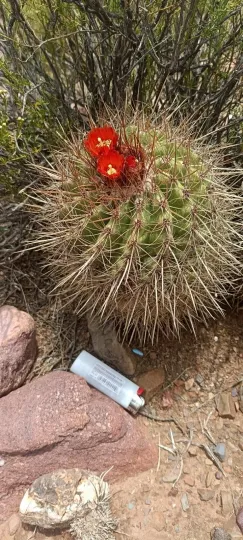
Description
Growing requirements
Parodia maassii is a distinguished member of the Cactaceae family. Originally native to the high-altitude, rugged terrains of Bolivia and Argentina, this species has evolved to thrive in environments characterized by rocky soils and intense sunlight exposure.
The botanical structure of this cactus features a globose stem that becomes cylindrical as it matures. The plant is heavily armed with sturdy spines, which play a crucial role in microclimate regulation by creating shade over the epidermis and protecting the plant from grazing animals.
Regarding light requirements, this species demands high light intensity to maintain its compact shape and healthy spine development. In cultivation, filtered sunlight is usually insufficient; hence, direct exposure to morning or afternoon sun is highly recommended.
The soil must be inorganic-dominant, focusing on high permeability and rapid drainage. An ideal mix consists of coarse sand, pumice, and a minimal amount of organic matter to mimic the volcanic and stony soils of its natural Andean habitat.
Temperature management is vital; while the plant can withstand lower temperatures during its winter dormancy, it thrives in warm, temperate conditions during the growth phase. It requires a significant difference between day and night temperatures to maintain physiological balance.
Main diseases and pests
Root rot remains the most significant threat to Parodia maassii, usually triggered by improper watering schedules or poor substrate drainage. Once rot penetrates the stem base, the damage often becomes irreversible for the specimen.
Pests such as spider mites and mealybugs frequently target the deep grooves between the cactus ribs. These pests are particularly aggressive in dry, indoor environments with insufficient air circulation, necessitating consistent monitoring.
Preventive strategies include maintaining clean growth areas and utilizing specialized systemic insecticides if an infestation is detected. Keeping the plant in a well-ventilated space helps prevent the colonization of fungus and mold.
Mechanical damage to the skin can act as an entry point for various pathogens. Therefore, handling the plant with care during repotting is essential to maintain the integrity of the protective epidermis.
A strictly enforced dormant period with minimal moisture during winter months is the best defense against metabolic stress. By allowing the cactus to rest, the grower ensures that the plant develops high natural resistance to common pathological risks.