
Parodia lenninghausii
Parodia lenninghausii
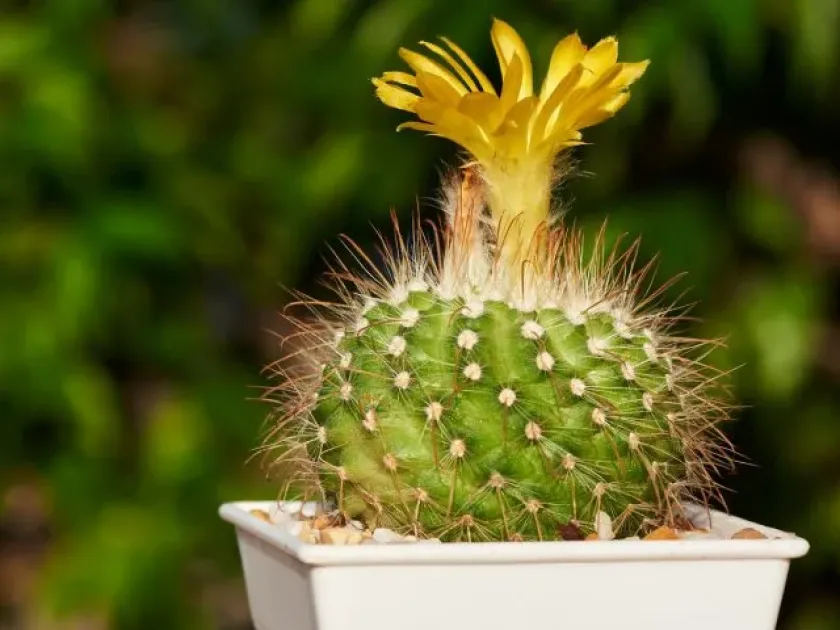
Description
Sowing dates
Parodia lenninghausii, commonly known as the Golden Ball cactus, is typically propagated via seeds or by removing offsets. Sowing seeds requires a warm, humid environment to stimulate germination, which usually occurs within two to three weeks under optimal conditions.
The growing medium for seeds must be well-draining, sterile, and slightly acidic. A mix of fine sand and peat moss is ideal for supporting the delicate root systems of young seedlings while ensuring moisture levels remain consistent without becoming waterlogged.
Maintaining a temperature range of 22 to 26 degrees Celsius is critical during the early stages of development. Providing indirect but bright light helps seedlings grow vigorously, preventing them from becoming thin and elongated, which is a common issue in low-light environments.
Pricking out the seedlings should be done carefully once they have developed their first set of distinct spines. Individual potting allows each plant more access to nutrients and improves airflow, which is essential for preventing the spread of damping-off diseases.
For vegetative propagation, offsets should be harvested during the active growing season. After removal, the wound on the offset must callous over in a dry, shaded area for several days before being planted into a sandy potting mix to encourage new root growth.
Growing requirements
As a member of the Cactaceae family native to the hilly regions of South America, this species thrives in bright, filtered light. Protecting it from harsh, direct midday sun is necessary to avoid scarring and sunburn on the cactus epidermis.
The soil requirement is stringent: a highly porous, gritty substrate is mandatory to prevent root rot. Incorporating inorganic materials like pumice or perlite ensures that excess water drains away quickly, keeping the roots aerated.
During the growing season, watering should be thorough but infrequent. Allow the soil to dry out completely between waterings, as the plant stores moisture in its fleshy stem and is highly susceptible to rot if kept constantly wet.
The plant requires a cooling period during winter, with temperatures dropping to 10–12 degrees Celsius. During this rest phase, watering should be significantly reduced or stopped entirely to mimic the plant's natural environmental cycles.
Occasional fertilization with a specialized cactus fertilizer—low in nitrogen—supports structural integrity and flowering. Over-fertilizing can lead to weak growth and makes the plant more attractive to sap-sucking pests.
Main diseases and pests
Root rot is the most significant threat to Parodia lenninghausii, often caused by stagnant water in the soil. Signs of distress include softening or discoloration at the base of the plant, which often signals an advanced state of fungal infection.
Spider mites are common pests that thrive in dry, stagnant air. They feed on the succulent tissues, leaving the plant looking dull or stippled, and can significantly weaken its growth if not treated with appropriate miticides or increased humidity.
Mealybugs can become a persistent issue, hiding in the crevices between the ribs of the cactus. Their presence is usually indicated by white, cotton-like masses, which should be treated immediately with systemic insecticides to prevent infestation.
Scale insects may also colonize the plant, creating hard, protective shells that are difficult to remove. Mechanical removal followed by an application of insecticidal soap is a standard treatment for small, localized outbreaks of these parasites.
Maintaining good airflow and proper hygiene in the greenhouse or home environment is the best preventative measure against disease. Regular inspections of the plant's ribs and root zone help catch potential problems before they become critical.