
Parodia erinaceus
Parodia erinaceus
Description
Sowing dates
Propagation of Parodia erinaceus is most commonly performed through seeds, which requires strict adherence to temperature regimes. The optimal time for sowing is during the spring when daylight hours increase, positively influencing germination rates.
Seeds should be sown in a light, well-draining substrate consisting of sand and turf soil. The soil surface must be lightly moistened, and the container should be covered with glass or film to maintain constant humidity levels.
Germination temperatures must be kept between 22–25 degrees Celsius. It is crucial to avoid direct sunlight on young seedlings while ensuring sufficient diffused light for healthy development.
Pricking out of young plants is performed once they reach sufficient size to withstand transplanting into individual pots. It is essential to use containers with large drainage holes to prevent water stagnation in the soil.
To accelerate growth, specialized low-nitrogen cactus fertilizers may be used, applied in weak concentrations. The frequency of fertilization is strictly limited to the plant's active growth period.
Growing requirements
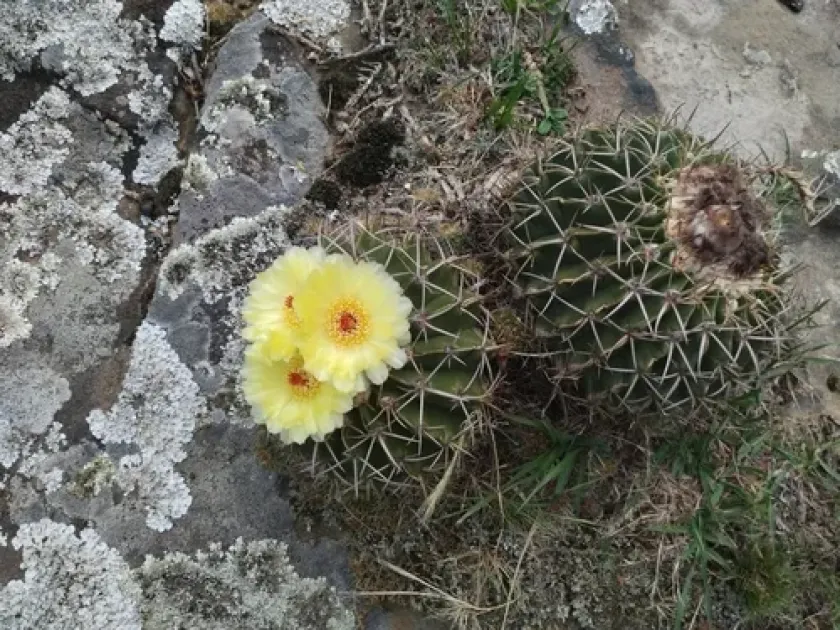
Parodia erinaceus belongs to the Cactaceae family and is a typical representative of South American succulent flora. In its natural habitat, the plant grows on rocky terrain characterized by high insolation and variable humidity.
For successful domestic cultivation, the plant requires bright sunlight throughout the year. During winter, when natural light is limited, the use of grow lights is recommended to prevent etiolation (unwanted stem stretching).
The soil mixture should have a slightly acidic or neutral pH and possess excellent breathability. An ideal composition includes turf soil, leaf mold, coarse sand, and fine gravel in a 1:1:2:1 ratio.
Watering should be moderate and performed only after the root ball has completely dried out. Excessive moisture is a critical error that leads to rapid root rot and subsequent plant death.
The temperature during the winter dormancy period should be maintained between 10–12 degrees Celsius. A cool wintering phase is a prerequisite for proper flower bud formation and subsequent blooming in the spring and summer months.
Main diseases and pests
The primary enemy of Parodia erinaceus, especially when agrotechnical regimes are neglected, is root rot. This condition is caused by pathogenic fungi that thrive in waterlogged soil under low ambient temperatures.
Among pests, spider mites and mealybugs are the most frequent threats. These insects damage the stem epidermis by sucking cell sap, creating favorable conditions for secondary infections to develop.
Prevention involves regular inspection of the cacti and maintaining cleanliness in the cultivation area. If insects are detected, systemic insecticides or acaricides must be applied according to strict dosage guidelines.
Viral infections can also affect the plant, manifesting as changes in stem color or the appearance of atypical spots. Such infections are generally untreatable, requiring the removal of infected specimens to protect others.
- Checking the drainage system regularly.
- Monitoring indoor humidity levels.
- Timely removal of damaged plant sections.
- Regular use of fungicides for preventive maintenance.