
Oxera
Oxera
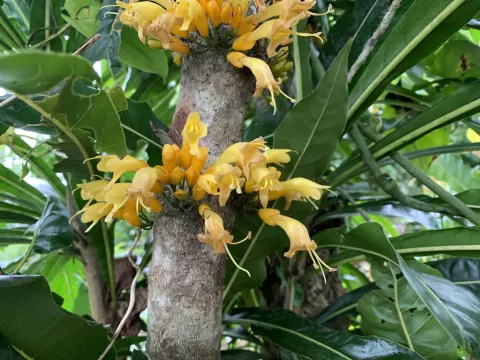
Oxera is a genus of evergreen woody vines or shrubs belonging to the Lamiaceae family. These plants are native to the tropical forests of New Caledonia and are well-regarded for their distinct, often large, tubular flowers.
What the section contains


Oxera
To cultivate Oxera successfully, one must replicate tropical conditions. The plant thrives in consistently warm temperatures and requires protection from any form of frost or cold drafts, making it suitable for greenhouses or tropical climates.
The ideal soil for this crop is a nutrient-rich, well-draining substrate with a neutral to slightly acidic pH. Proper drainage is crucial, as the roots are sensitive to waterlogging and can easily rot if the substrate stays saturated for too long.
Cultivation practices involve regular maintenance such as pruning to manage the vigorous vining habit of the plant. Providing adequate vertical support, such as trellises, is essential for healthy structural development of the stems.
In terms of usage, Oxera is primarily valued in ornamental horticulture. Its unique aesthetic appeal makes it a popular choice for botanical gardens and indoor conservatory displays in temperate regions.
The primary threats to Oxera are fungal pathogens associated with soil moisture imbalance. Poor ventilation in conservatory environments can lead to root and stem rot, which can be fatal to the plant if not addressed early.
Pests such as spider mites and scale insects are common occurrences. These insects thrive in indoor settings with low humidity and can significantly damage foliage by extracting plant sap.
Effective management includes maintaining optimal humidity levels and ensuring good airflow around the canopy. Regular inspection of the undersides of leaves is necessary to detect early-stage infestations.
Integrated pest management, including the use of targeted biological controls or mild insecticidal soaps, is recommended over harsh chemicals. Ensuring the plant is not under environmental stress helps prevent these attacks.
Maintaining a regular fertilizing schedule with balanced micronutrients supports vigorous growth, which in turn enhances the plant's natural resistance to pests and diseases over time.