
Oxera pulchella
Oxera pulchella
Description
Growing requirements
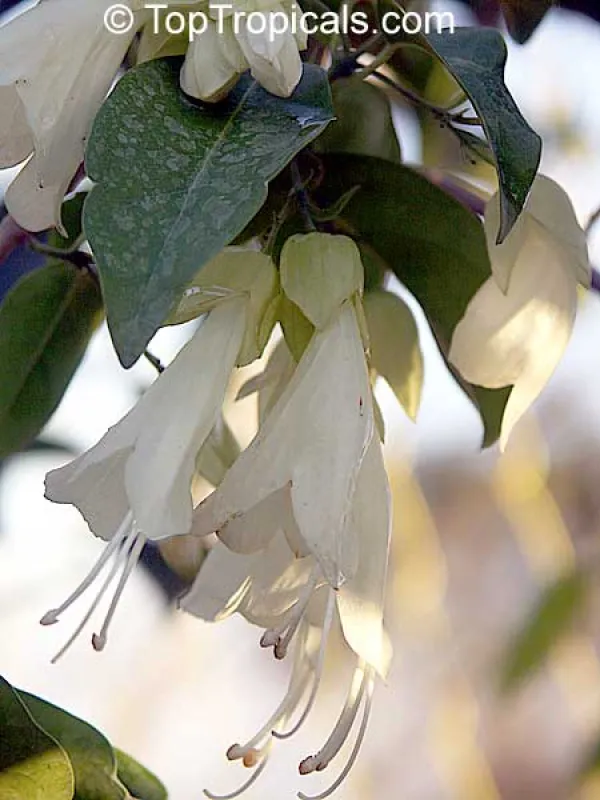
Oxera pulchella is a stunning evergreen woody vine belonging to the Lamiaceae family. It is widely recognized for its beautiful, bell-shaped, white to cream-colored flowers that hang in clusters, making it a prized specimen for conservatories and botanical collections.
Native to the lush tropical environments of New Caledonia, the plant requires specific climatic conditions to thrive. In cultivation, it performs best in regions where high humidity and warm temperatures can be consistently maintained throughout the year.
The ideal soil for this species is a well-draining, nutrient-rich potting mix that mimics the forest floor. It is crucial to ensure that the medium retains some moisture while allowing excess water to drain freely to prevent root suffocation and decay.
In terms of light, Oxera pulchella prefers bright, indirect light conditions. While it can adapt to some degree of partial shade, insufficient light levels will significantly reduce its ability to produce flowers, which is the main goal for most growers.
Regular maintenance involves training the vines onto sturdy trellises or supports. Pruning should be carried out after the flowering phase to maintain the desired shape and size, as well as to encourage new, vigorous growth in the following season.
Main diseases and pests
The most common pests affecting this plant include spider mites and mealybugs, which tend to congregate on the undersides of leaves and at the nodes. Frequent inspections and the use of appropriate horticultural soaps are effective methods to manage these infestations.
Fungal pathogens, particularly those causing root rot, are a significant risk if the soil remains constantly waterlogged. Proper drainage management and ensuring sufficient air circulation around the base of the plant are essential cultural practices.
Leaf spot diseases can occur if the foliage is kept excessively wet in an environment with poor airflow. It is recommended to water the plant at the soil level rather than overhead to keep the leaves dry and healthy.
Environmental stress, specifically low humidity or sudden temperature fluctuations, can cause foliage to drop or turn brown. Maintaining a stable environment is key to keeping the plant in prime condition, especially during the colder months.
For sustainable care, growers should focus on preventive measures such as quarantine for new plants to avoid introducing pests or diseases to the established collection. Monitoring the overall vigor of the plant will help identify issues before they become severe.