
Oxera splendida
Oxera splendida
Description
Growing requirements
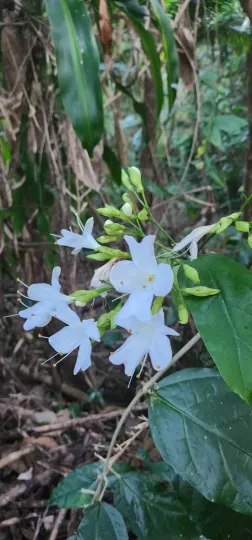
Oxera splendida is a magnificent evergreen liana belonging to the Lamiaceae family. Native to the tropical rainforests of New Caledonia, this climbing plant is highly valued by botanists and ornamental horticulturists for its large, glossy leaves and exotic, trumpet-shaped flowers.
The plant thrives in humid tropical environments. Successful cultivation requires a temperature range between 20 and 26 degrees Celsius. It is crucial to protect the plant from freezing temperatures and cold drafts, which can cause leaf drop and stunted growth of the delicate vine tips.
Soil requirements for Oxera splendida involve a well-draining, nutrient-rich potting mix. A combination of high-quality peat, perlite, and decomposed organic bark is ideal to mimic the natural floor of a rainforest, providing the necessary aeration for root health while retaining consistent moisture.
Light exposure should be filtered and bright. While the plant can tolerate dappled shade, intense, direct sunlight, especially in the afternoon, can cause irreversible bleaching and necrosis of the foliage. Proper placement near a light-diffusing window is essential for optimal development.
Hydration management is key, as the plant prefers consistently moist but never waterlogged soil. During the growing season, misting the foliage regularly is recommended to maintain the high ambient humidity that this species requires to produce its characteristic vibrant flowers throughout the season.
Main diseases and pests
Spider mites are the most common pest challenge for Oxera splendida, particularly in dry indoor environments. Early detection is vital, and periodic rinsing of the leaves with water can effectively deter pest colonization and keep the foliage free from webs and dust.
Root rot caused by stagnant water is a significant threat to this species. To mitigate this risk, it is important to ensure that the pot has ample drainage holes and that the irrigation schedule is adjusted based on the specific light conditions and time of year.
Fungal leaf spot pathogens may appear if the foliage remains wet for extended periods in low-ventilation areas. Improving air circulation around the canopy helps to dry the leaves quickly after watering, thus preventing the growth of harmful spores on the surface of the leaves.
Nutrient deficiency, specifically of magnesium and iron, can manifest as interveinal chlorosis. Regular application of a balanced liquid fertilizer formulated for tropical flowering plants is recommended to ensure the plant maintains its deep green, glossy appearance and strong growth.
Mechanical stress, such as breaking stems, can occur if the plant is not provided with an adequate trellis or support system. As the vine grows, it requires a sturdy structure to wrap its stems around, which not only assists in growth but also promotes better spacing and health of the vine.