
Ottelia
Ottelia
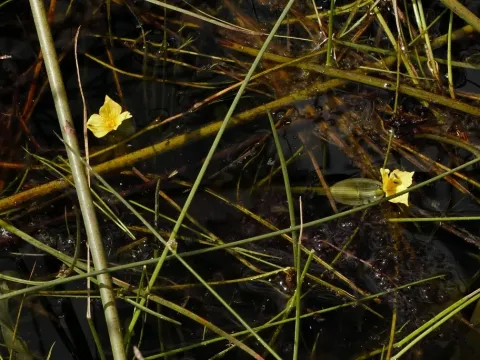
Ottelia is a genus of aquatic plants belonging to the Hydrocharitaceae family. These plants are either annual or perennial herbs that naturally inhabit tropical and subtropical freshwater ecosystems across Africa, Asia, and Australia.
What the section contains


Ottelia
The plant is an obligate hydrophyte, typically thriving in stagnant or slow-moving water bodies. In natural conditions, Ottelia requires stable water temperatures ranging from 22 to 28 degrees Celsius for optimal physiological activity.
Successful cultivation depends on nutrient-rich, silty substrates. The plant develops a robust root system that anchors firmly into the bottom sediment to absorb essential minerals and trace elements required for growth.
Light intensity is a critical factor for development. Being a heliophilous species, Ottelia requires high levels of natural or artificial light; insufficient illumination severely hinders photosynthesis and leads to stunted development of the leaf rosette.
The chemical composition of the water is vital for the plant's health. Ottelia is sensitive to pH levels, preferring slightly acidic to neutral environments, and thrives in water with adequate dissolved carbon dioxide levels.
The economic value of Ottelia is primarily linked to the ornamental trade and aquarium hobby. However, in various parts of Southeast Asia, certain species like Ottelia alismoides are cultivated as traditional vegetable crops.
Young leaves and flowering stalks are consumed fresh or cooked as greens. The yield in these systems is determined by planting density and the frequency of biomass harvesting, which can be high in tropical climates.
Commercial-scale production is currently localized, yet the species' rapid growth cycle allows for multiple harvests per season under well-managed conditions. Intensive farming methods often include specific substrate fertilization.
In aquarium cultivation, yield is measured by vegetative propagation rates. Under ideal conditions, a single mother plant can produce several daughter plants annually, making it a sustainable plant for nursery trade.
By optimizing bottom-level nutrient delivery, farmers can significantly increase the total biomass of the crop compared to wild-harvested specimens, improving both quality and quantity of the harvestable product.
Water eutrophication poses the greatest threat to Ottelia, as increased phytoplankton density causes shading. This limitation of light prevents the plant from maintaining its metabolic processes and leads to decline.
Snails and other aquatic invertebrates are frequent pests, as they consume the tender foliage. Effective management involves regular monitoring and physical removal of these pests from the aquatic environment.
Fungal infections are common when water circulation is poor or when significant temperature fluctuations occur. Symptoms manifest as necrotic patches on leaves and gradual root system rot.
Invasive algae species compete with Ottelia for light and nutrients. Regular maintenance and manual weeding of the pond or tank are essential to keep the environment conducive to healthy plant growth.
Sudden changes in water chemistry often result in physiological stress, causing chlorosis or foliage shedding. Maintaining a stable ecological balance is the most effective preventative measure against disease outbreaks.