
Ottelia kunenensis
Ottelia kunenensis
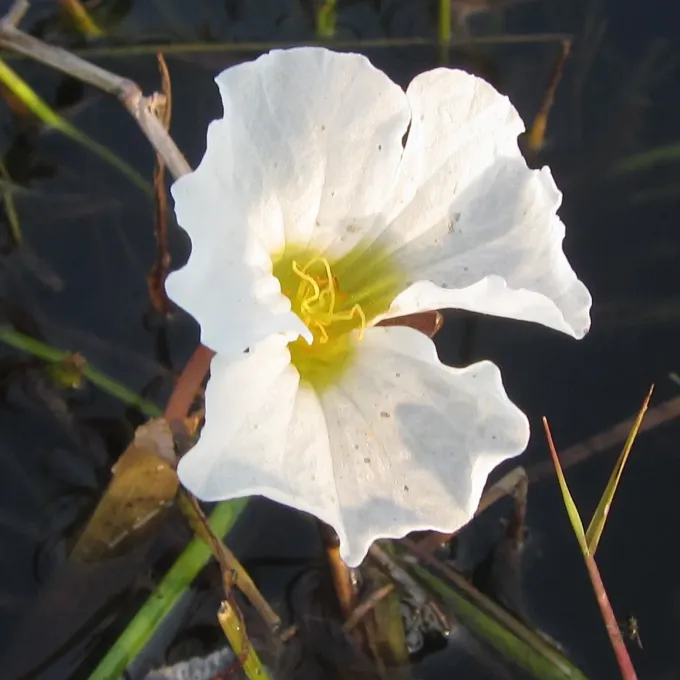
Description
Growing requirements
Ottelia kunenensis is a distinct species within the Hydrocharitaceae family, native to tropical aquatic ecosystems in Africa. This plant is a true hydrophyte, spending its entire life cycle submerged in freshwater environments such as slow-moving rivers or static water bodies.
In terms of agricultural requirements, the species demands a stable thermal range, ideally between 22°C and 28°C. Being a tropical plant, it cannot tolerate cold shocks, which can lead to immediate cessation of growth and potential tissue necrosis.
Light intensity plays a critical role in the development of Ottelia kunenensis. High-intensity lighting is necessary to ensure efficient photosynthesis, as the plant relies on nutrient absorption through its leaves as well as its root system anchored in the substrate.
Substrate preparation for this crop involves a rich, nutrient-dense mixture of silt and organic compost. Ensuring proper sediment depth is vital for root development, which supports the plant's large, rosette-forming foliage structure.
Water quality parameters must be strictly monitored. The plant thrives in neutral to slightly alkaline water. Furthermore, CO2 injection is often used in controlled environments to bolster growth, as this species benefits significantly from carbon-enriched water.
Main diseases and pests
Fungal pathogens associated with anaerobic conditions in the substrate represent a major threat to the root system. If the substrate becomes too compact and lacks oxygen, root rot becomes a primary cause of plant failure.
Algal blooms pose a significant competitive threat. When filamentous algae cover the leaf surfaces of Ottelia kunenensis, the plant suffers from limited light exposure and poor gas exchange, which weakens it significantly.
Aquatic pests, such as certain species of snails or larval stages of insects, may feed on the tender young leaves of the rosette. Continuous monitoring is essential to prevent significant mechanical damage to the foliage.
Nutrient deficiencies, particularly involving iron and magnesium, can manifest as chlorosis. This condition makes the plant more susceptible to secondary infections and reduces its overall resilience to environmental stressors.
Mechanical damage during water cleaning operations or sediment maintenance can introduce pathogens into the plant's tissues. Careful handling and maintaining high water hygiene standards are necessary to minimize these risks to the culture.