
Ottelia alismoides
Ottelia alismoides
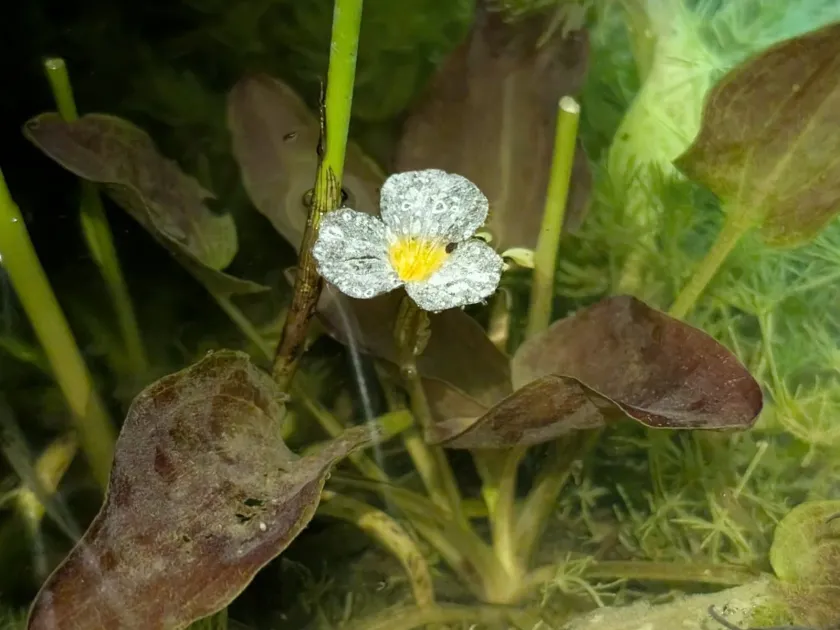
Description
Sowing dates
Ottelia alismoides, commonly known as duck lettuce, is a monocotyledonous aquatic plant belonging to the Hydrocharitaceae family. It is a highly specialized plant that spends most of its life cycle fully submerged in freshwater environments.
The propagation of this crop is primarily seed-based. In professional agricultural settings, seeds are sown into prepared pond beds once water temperatures consistently exceed 20°C, ensuring optimal germination and initial seedling vigor during the warmer months.
Morphologically, the plant features a basal rosette of leaves that varies from lanceolate to broadly ovate depending on the depth and environmental conditions. It possesses a well-developed root system that allows it to anchor firmly into the silt or clay substrates of aquatic habitats.
Its natural range spans across the tropical and subtropical regions of Asia, Africa, and Australia. The plant has been domesticated in various parts of Asia, where it is valued for its rapid growth rate and ability to colonize nutrient-rich freshwater bodies.
Economically, Ottelia alismoides serves as a traditional vegetable crop. In several cultures, the young, tender leaves and flower stalks are harvested and consumed, offering a valuable nutritional source in rural communities reliant on local aquatic farming.
Growing requirements
The primary environmental requirement for successful cultivation is a stable, warm temperature range. The plant exhibits its peak vegetative growth between 22°C and 28°C, making it ideal for tropical and subtropical aquaculture systems.
Water quality is paramount; the plants require calm or slow-moving waters with nutrient-rich bottom substrates. High levels of organic matter in the silt promote robust leaf development and overall plant health, which is essential for yield.
Light availability is a limiting factor for this species. As a submerged plant, the water column must be sufficiently clear to allow photosynthetic light to reach the lower leaves; turbidity or shading from invasive algae can drastically reduce crop productivity.
Chemical stability of the water, specifically neutral to slightly alkaline pH levels, is preferred. Sudden shifts in water chemistry, often caused by agricultural runoff from nearby land, can lead to physiological stress and reduced growth rates.
Maintenance of water depth is also a crucial agrotechnical factor. Consistent levels are necessary to ensure that flower stalks can emerge correctly for the pollination process, which is vital for the plant's reproductive cycle and seed production.
Main diseases and pests
The most significant threats to Ottelia alismoides are pathogenic bacteria and fungi that thrive in stagnant or over-enriched water. These pathogens can cause rapid tissue decay in the leaves, especially if the plants are physically damaged.
Herbivorous aquatic animals and certain species of fish often pose a threat by consuming the succulent leaves. Implementing protective measures, such as netting or controlled stocking of the water body, is often required to minimize such losses.
Invasive algae and aggressive aquatic weeds are major competitors for light and nutrients. Without regular maintenance and weeding of the water body, the crop can be quickly choked out, leading to total yield failure.
Environmental pollution, including fertilizer runoff, can induce eutrophication. This leads to oxygen depletion, particularly at night, which can cause significant stress or death to the root systems and reduce the overall resilience of the crop.
Effective management includes regular monitoring of water parameters and the use of integrated pest management strategies to keep the aquatic environment balanced and favorable for the targeted plant growth.
Harvesting
Harvesting Ottelia alismoides is a manual, labor-intensive process due to the delicate structure of the plant tissues. Harvesters typically work in the early morning to ensure the highest moisture content and shelf life of the harvested product.
The harvest focuses on removing only the mature leaves and flower stalks. By harvesting selectively, the central rosette remains intact, allowing the plant to continue photosynthesizing and producing further growth throughout the season.
Post-harvest handling is critical, as the vegetable is highly perishable. Produce must be kept cool and moist immediately after removal from the water to prevent rapid wilting and enzymatic spoilage of the tissues.
Cleaning is an essential final step before market distribution. The produce must be thoroughly rinsed to remove mud, snails, or other aquatic debris that may adhere to the foliage, ensuring it meets food safety standards for consumers.
When managed correctly, the plant provides multiple harvests over a single growing cycle. This yield consistency makes it a viable and sustainable choice for small-scale aquaculture farmers focusing on niche vegetable crops.