
Ottelia ovalifolia
Ottelia ovalifolia
Description
Growing requirements
Ottelia ovalifolia is a perennial aquatic plant belonging to the Hydrocharitaceae family. Originating from the freshwater ecosystems of Australia and Tasmania, this species is highly specialized for living in slow-moving or stagnant water bodies.
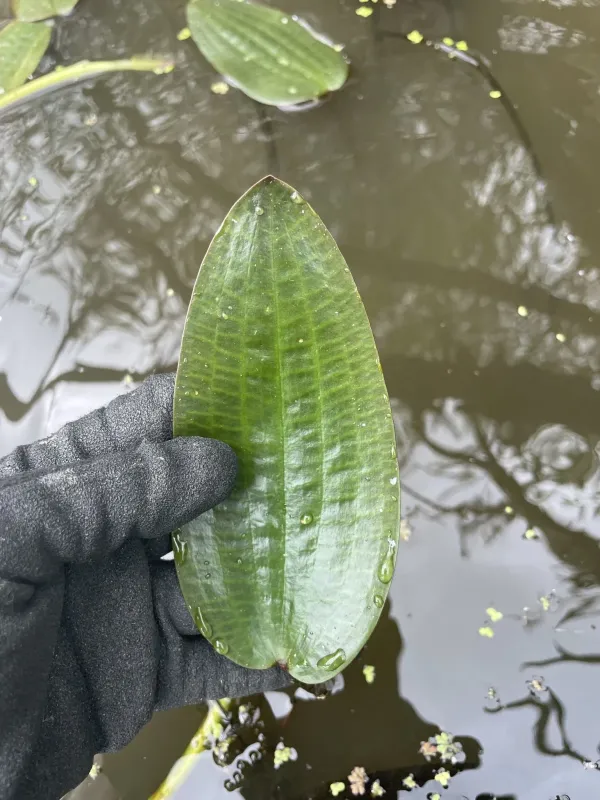
Botanically, the plant features a robust basal rosette of oval-shaped leaves. Depending on the depth and environmental conditions, these leaves may remain submerged or float gracefully on the surface of the water.
The successful cultivation of Ottelia ovalifolia requires warm, stable water temperatures, ideally ranging between 22 and 28 degrees Celsius. Cold water exposure causes rapid physiological decline and loss of dormancy.
Light management is crucial, as the plant thrives in bright but indirect sunlight. Excessive direct light can lead to overheating and the rapid proliferation of undesirable algae, which compete for vital nutrients.
Nutrient-rich substrates are essential for optimal growth. Providing a base of silty or organic-heavy soil allows the complex root system to anchor firmly and access the minerals necessary for strong foliage development.
Main diseases and pests
Root rot, often caused by anaerobic conditions in the substrate, represents the primary threat to the plant's health. Poor circulation and organic decay significantly increase the risk of infection.
Competition from invasive filamentous algae is a major threat in both natural and controlled environments. These algae can physically smother the leaves, preventing gas exchange and effective photosynthesis.
Certain aquatic snails are known to graze on the tender plant tissue, causing aesthetic damage and weakening the overall vigor of the plant during its active growing season.
Bacterial pathogens often colonize areas where leaves have been mechanically damaged. These infections spread quickly if the water quality is poor or if the plant's immune system is stressed by unstable parameters.
Improper pH levels in the water column can trigger nutrient deficiencies, leading to chlorosis. This condition renders the plant vulnerable to secondary infections and severely stunts its expansion.