

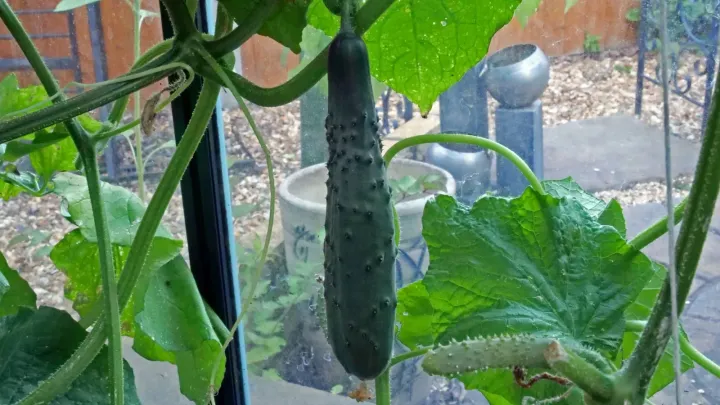
Description
Sowing dates
The cucumber (Cucumis sativus L.) is a widely cultivated plant in the gourd family, Cucurbitaceae. Originating from India, it has been a staple crop for thousands of years, adapted to warm climates across the globe.
Direct seeding in open fields requires soil temperatures of at least +15°C. For cooler regions, starting seeds in greenhouses or indoors using biodegradable pots is recommended to ensure strong early development.
Seeds are typically sown at a depth of 2 to 3 cm. Proper spacing is essential to ensure adequate airflow, which significantly reduces the risk of fungal infections later in the growing season.
Modern growers often use precision seeding technology to ensure optimal plant density, maximizing the use of space while maintaining easy access for maintenance and harvesting activities.
Succession planting, performed every two to three weeks, is a standard practice to maintain a continuous supply of fresh cucumbers throughout the entire summer and early autumn period.
Growing requirements
Cucumbers are thermophilic plants that thrive at temperatures between +22°C and +28°C. They are highly sensitive to cold, and growth will cease if temperatures drop consistently below +10°C.
The ideal soil for cucumbers is a well-drained, nutrient-rich loam with a pH level between 6.0 and 7.0. Adding organic matter, such as compost or well-rotted manure, improves moisture retention.
Regular irrigation is vital because the plant has a shallow root system. Uneven watering can lead to physiological disorders, such as fruit deformation or the development of a bitter taste.
High humidity levels are beneficial for foliage development, but growers must balance this with good ventilation to prevent the buildup of pathogens on the leaf surfaces.
Exposure to direct sunlight is necessary for photosynthesis and fruit maturation, though protection from extreme midday heat is often required in high-tunnel greenhouse environments.
Yield
In high-tech greenhouse systems, yields can reach 20 to 30 kg per square meter through vertical training and precise nutrient management via fertigation.
Outdoor production yields depend heavily on climate and variety, typically ranging from 4 to 10 kg per square meter, depending on the intensity of the agricultural practices applied.
The use of parthenocarpic varieties has revolutionized the industry by ensuring fruit set without the need for pollinators, resulting in more consistent and higher quality yields.
Active fruit management, including the removal of stunted or damaged cucumbers, allows the plant to allocate its energy resources efficiently towards the growth of marketable produce.
Harvesting strategies play a major role in total yield; frequent harvesting promotes continued plant vitality and the initiation of new blossoms throughout the season.
Main diseases and pests
Cucumber crops are vulnerable to various diseases, including powdery mildew and downy mildew, which are particularly prevalent in environments with fluctuating humidity levels.
Pests such as the two-spotted spider mite and the greenhouse whitefly are major threats. They cause significant damage by feeding on cell sap, leading to chlorosis and reduced plant productivity.
Other potential threats include various aphid species, which not only drain plant nutrients but also act as vectors for debilitating plant viruses.
- Spider mites
- Greenhouse whitefly
- Aphids
- Powdery mildew
- Downy mildew
Integrated pest management (IPM) is highly recommended, utilizing biological controls such as predatory mites and compatible pesticides to minimize chemical residues on harvested fruits.
Harvesting
Harvesting is typically performed daily or every other day during the peak of the season. Cucumbers should be harvested while they are still firm and reach the desired market size.
Morning is the best time for harvest because the plants are fully turgid, which enhances the post-harvest shelf life and keeps the fruits crisp for a longer period.
Care must be taken to use sharp tools or careful manual twisting to avoid damaging the brittle stems, which could serve as entry points for pathogens and negatively affect future harvests.
Once harvested, cucumbers should be stored at temperatures between +8°C and +10°C to prevent chilling injury and rapid moisture loss that can occur in improper storage conditions.
Quality control during harvest involves selecting only those fruits that are free from blemishes, mechanical injuries, or signs of disease to ensure long-term freshness and market appeal.
In brief
19
Crop pests
Content graph
Crop pests · 19
Content graph
Connections · Cucumber
Most often together:
Active ingredients
1 contact
Marketplace
Products · 35
All 35
Cucumber 302
Fungicides 165
Insecticides, Acaricides 109
Fertilizers 86
Herbicides, Desiccants 58
Plant Growth Regulators 35
Biological Products 7
Adjuvants 1

Atonik Plus
«Аріста ЛайфСайенс С.А.С.» , Франція
Plant Growth Regulators
0
0
·
89
2 offers
92.16 €per 1 l
Buy


Alga
BEIJING LAILI MARIN BIOINDUSTRIAL CO., CHINA
Plant Growth Regulators
0
0
·
69
5 offers
13.25 €per 1 l
Buy


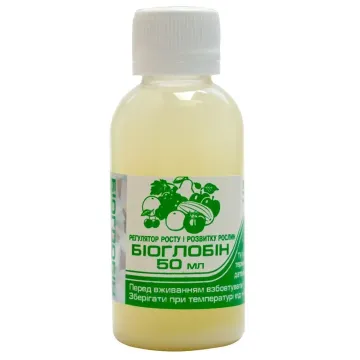


Rodonit
Private enterprise "Rodonit", Ukraine
Plant Growth Regulators
0
0
·
55
2 offers
6.87 €per 1 l
Buy

BUTON
ЗАТ «Торгово-промислова компанія ТЕХНОЕКСПОРТ»
Plant Growth Regulators
0
0
·
54
6 offers
12.04 €per 1 l
Buy


Opora
Приватне підприємство «ПРОМБУДКОМПЛЕКТ», Україна
Plant Growth Regulators
0
0
·
53
3 offers
9.6 €per 1 l
Buy


Zav'yaz'
ТОВ «ОРТОН (Російська Федерація, Московська обл.
Plant Growth Regulators
0
0
·
47
57 offers
0.48 €per 1 l
Buy


Sir Tomato
«Нанджин Ессенс Файн-Кемікал Ко. Лтд» (Китай)
Plant Growth Regulators
0
0
·
42
4 offers
1.04 €per 1 l
Buy


SEÑOR TOMATE
«Нанджин Ессенс Файн-Кемікал Ко. Лтд» (Китай)
Plant Growth Regulators
0
0
·
41
No offers
—
Details

Bereginya
«Нанджин Ессенс Файн-Кемікал Ко. Лтд» (Китай)
Plant Growth Regulators
0
0
·
35
No offers
—
Details