
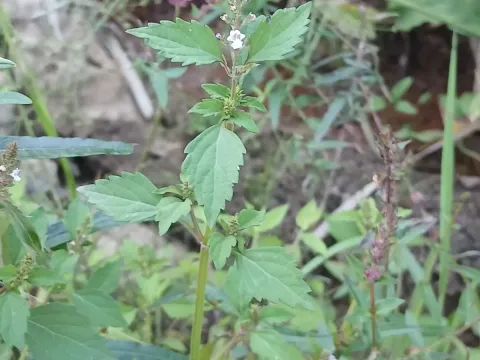
Mosla
Mosla
Mosla is an annual herbaceous plant belonging to the Lamiaceae family. In agricultural settings, it is typically represented by species such as Mosla chinensis or Mosla japonica. Successful cultivation requires sowing in well-warmed soil, as the plant is highly sensitive to spring frosts.
What the section contains


Mosla
The optimal sowing time is in late spring when soil temperatures reach a stable 15°C at a depth of 5–10 cm. In cooler climates, using seedlings is recommended to ensure a sufficient growing season and uniform plant development.
Mosla seeds require light for germination; therefore, they should be sown shallowly, barely covered with a thin layer of fine soil or sand. Row spacing should be maintained between 45–60 cm to allow for adequate ventilation and access for maintenance.
Seedlings typically emerge within 10–14 days. During the early stages, weed control is essential because Mosla grows slowly and can easily be suppressed by competitive weeds, which can significantly affect the final biomass yield.
Proper plant density is crucial for crop development. Depending on soil fertility, the spacing should be managed to prevent overcrowding, which can otherwise increase the risk of disease in the humid microclimate created within dense foliage.
Mosla is a photophilous plant that requires full sunlight for optimal growth. Insufficient light levels directly lead to a reduction in essential oil content, which is the primary commercial value of the crop.
The plant prefers light, well-drained sandy loam or loamy soils. Waterlogging is detrimental to its root system and can trigger root rot, making the selection of a well-drained site a prerequisite for successful production.
Incorporating organic matter during autumn plowing provides the necessary nutrients for the growing season. Mineral fertilizers, particularly those rich in nitrogen, are beneficial during the early vegetative phase to boost leaf production.
Climatic requirements involve a warm summer with moderate rainfall. Excessive humidity, especially during the flowering stage, can negatively impact both the development of the plants and the quality of the essential oils produced.
An ideal temperature range for Mosla is 20–25°C. Since the plant is not frost-tolerant, the entire lifecycle must be completed before the onset of autumn cold, necessitating early planning for harvest.
The yield of Mosla varies depending on management practices, typically ranging from 1.0 to 1.5 tons of dry biomass per hectare. Maximizing yield requires precise timing of the harvest to coincide with the peak flowering phase.
The highest concentration of essential oils is achieved when plants are harvested at full bloom. Collectors should monitor the flowering stages carefully to ensure that the content of bioactive compounds, such as thymol or carvacrol, is at its peak.
Yield can be improved through the use of high-quality seeds and intensive fertilization programs. Proper irrigation management, especially during dry spells, can also contribute to consistent biomass accumulation.
Secondary harvests are possible under specific conditions with early sowing and timely recovery feeding, though the primary harvest generally remains the most productive in terms of both volume and oil quality.
Seed harvesting requires caution as the seeds tend to shatter easily. Harvesting should begin when the lower parts of the inflorescences turn brown and seeds achieve their characteristic mature color.
Fungal diseases, such as powdery mildew and various leaf spots, are the most common threats to Mosla. High humidity and poor air circulation between plants act as primary catalysts for these infections.
Aphids are the most frequent insect pests, colonizing young shoots and weakening the plant. Spider mites and weevils may also cause significant damage, particularly in hot, dry environments.
Integrated pest management (IPM) is recommended to protect the crop. Utilizing biological control agents is often preferred to maintain the organic status and purity of the harvested essential oil material.
Crop rotation is a vital preventive measure. Mosla should not be grown on the same field more than once every 3–4 years to prevent the buildup of soil-borne pathogens and specific insect populations.
If chemical intervention is necessary for disease control, it is essential to use products approved for medicinal and aromatic crops, ensuring that pre-harvest intervals are strictly observed to comply with safety standards.
Harvesting is performed by cutting the aerial parts of the plant. Depending on the end-use, the harvest timing varies: full bloom for essential oil extraction or vegetative maturity for culinary herb production.
It is best to harvest on a sunny morning after the dew has evaporated. The harvested biomass must be moved quickly to a drying facility to prevent fermentation and the loss of volatile essential oils.
Drying should take place in shaded, well-ventilated areas or in controlled-temperature dryers at no more than 35–40°C. High heat will lead to the evaporation of the aromatic compounds, drastically reducing the quality.
Once dried, the product should be stored in airtight containers away from light and moisture to ensure long-term stability of the aromatic components.
Commercial uses include:
- Production of essential oils for perfumes and pharmaceuticals;
- Culinary flavoring and herbal tea production;
- Application in traditional medicine for its antiseptic properties.