
Mosla dianthera
Mosla dianthera
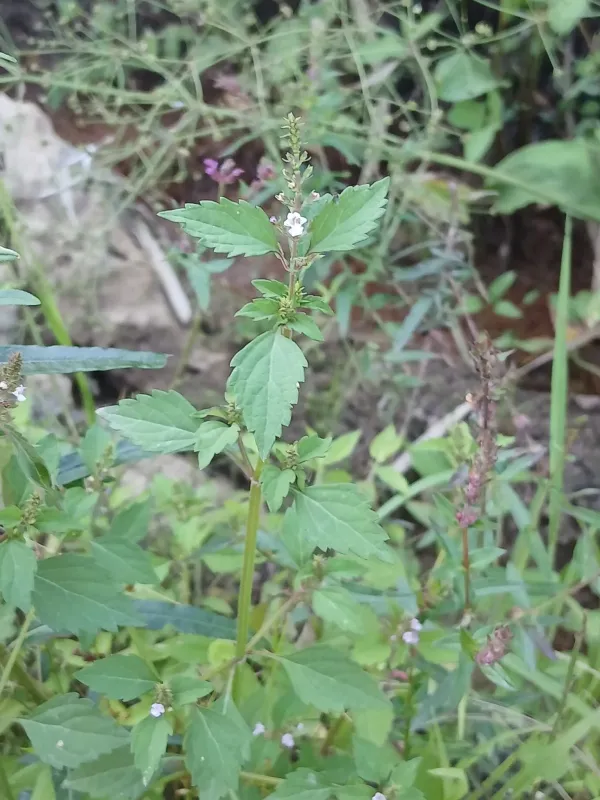
Description
Sowing dates
Mosla dianthera is an annual herbaceous plant belonging to the Lamiaceae family. It is best sown in spring once the soil temperature consistently reaches 10–12°C, ensuring optimal conditions for germination.
For uniform emergence, seeds should be sown at a shallow depth of 0.5–1 cm. Given their small size, it is crucial to keep the soil surface moist to prevent the seeds from drying out before they take root.
In regions with shorter growing seasons, starting plants in trays or greenhouses is highly recommended. This allows seedlings to establish before being transplanted into the field, improving overall yield.
Row spacing should typically range from 45–60 cm for commercial cultivation. This layout facilitates mechanical weeding and allows for adequate aeration between plants, reducing the risk of fungal outbreaks.
Thinning the seedlings once they reach a height of 5 cm ensures that each plant has sufficient space to develop a robust root system and multiple branching stems.
Growing requirements
The plant thrives in sunny locations with well-drained soil. It is highly sensitive to waterlogging, so choosing a site with light, loamy, or sandy soil is essential for long-term health and oil production.
Adequate moisture is required throughout the growing season, particularly during the early vegetative stages. However, irrigation must be balanced to avoid saturated conditions, which can lead to root diseases.
Temperatures ranging from 20°C to 25°C are ideal for growth. Mosla dianthera is sensitive to frost, which means it must be cultivated within the frost-free season to avoid irreversible damage.
Nutrient-rich soil promotes better leaf production. A balanced application of compost or organic fertilizer prior to planting helps maintain the fertility levels required for a high-quality harvest.
Protection from strong, cold winds is advisable, as they can cause physical stress and accelerate the evaporation of essential oils from the leaf surfaces, thereby reducing the plant's aromatic quality.
Yield
The yield potential of Mosla dianthera is closely tied to its cultivation practices and environmental factors. Proper management can lead to significant biomass production for essential oil extraction.
Harvesting for essential oils requires precise timing, as the volatile compounds reach their peak concentration during the full flowering stage. Delaying or accelerating harvest can significantly alter oil yield.
On average, intensive cultivation can yield substantial amounts of green matter per hectare. The quality of the final product is highly dependent on how quickly the material is processed after cutting.
Seed production requires careful monitoring. Growers often reserve sections of the crop for seed harvesting, waiting until the flower spikes turn brown before collecting to ensure seed maturity and viability.
Economic returns are maximized when harvest and post-harvest drying occur under controlled conditions, minimizing loss of volatile aromatic components during storage.
Main diseases and pests
Fungal pathogens such as root rot and powdery mildew represent the primary threats to Mosla dianthera. These are often exacerbated by poor drainage and excessive plant density.
Spider mites and various leaf-chewing insects can damage the foliage, reducing both the aesthetic and commercial value of the herb. Regular field scouting is necessary for early detection.
Weeds compete aggressively for sunlight and nutrients during the early stages of growth. Manual or mechanical weeding is essential during the first few weeks to ensure the young plants do not become overwhelmed.
Implementing a crop rotation system is the most effective preventative measure against soil-borne pathogens. Rotating with non-Lamiaceae crops every 3–4 years is standard best practice.
Biological pest control methods should be prioritized to maintain the integrity of the essential oils, ensuring the final product meets safety standards for medicinal or food use.
Harvesting
Harvesting occurs during the peak flowering period, which is when the plant's essential oil content is at its highest. This window is narrow and requires active observation of the field.
Plants are typically cut 5–10 cm above the ground. Using clean, sharp tools or mechanical mowers prevents injury to the remaining stubble and encourages secondary growth if the season allows.
Immediate processing is required post-harvest. The green material must be transported to drying facilities within a few hours to prevent the oxidation and evaporation of precious aromatic oils.
Drying should take place in a shaded, well-ventilated area. Direct sunlight is to be avoided, as it degrades the quality of the herbs and causes the leaves to lose their desirable color and scent.
Once dried to the appropriate moisture content, the product must be stored in airtight containers to protect it from humidity and environmental contaminants, preserving its quality for shipping.