
Mosla formosana
Mosla formosana
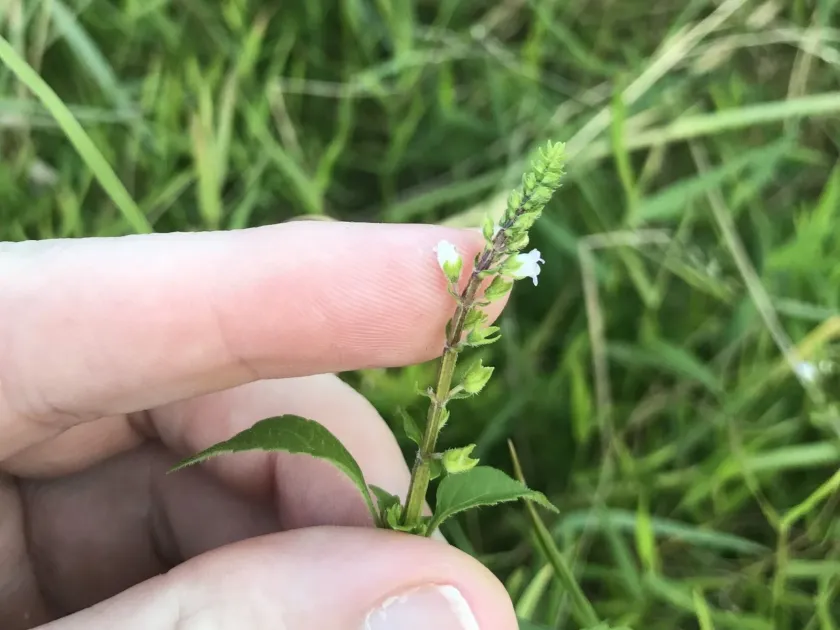
Description
Sowing dates
Mosla formosana is a warm-season annual herb belonging to the Lamiaceae family. It is increasingly recognized for its aromatic properties and potential as an essential oil source, sharing characteristics with other mint-family plants adapted to subtropical and temperate climates.
The sowing season begins in spring once soil temperatures consistently exceed 15–18 degrees Celsius. Careful attention to temperature is vital, as the seedlings are highly susceptible to frost, which can cause significant crop failure if they are exposed early in the season.
Direct seeding or transplanting can be employed, though transplanting is often preferred in regions with shorter summers to ensure a longer growing period. Seeds should be sown in well-drained, fertile soil, ideally with a light covering of earth to facilitate uniform germination.
Plant spacing should be meticulously managed to allow for adequate airflow, which is critical for reducing humidity-related diseases. A row spacing of 40–50 cm is typically recommended to facilitate mechanical cultivation and ensure the crop has enough space to branch out effectively.
During the germination phase, maintaining consistent soil moisture is essential. Once the plants have established a healthy root system, they become more resilient, but keeping the surface soil damp during the first two weeks post-emergence remains a priority for high-density planting.
Growing requirements
Mosla formosana thrives in sunny locations with full exposure to daylight, which is essential for the biosynthesis of secondary metabolites, including the volatile oils that give the plant its unique scent. Shaded areas significantly decrease yield and oil quality.
The ideal soil profile is a light, well-draining loam or sandy soil with a neutral to slightly acidic pH. Avoiding waterlogging is critical, as stagnant water in the root zone quickly leads to root decay and overall plant decline, particularly in young specimens.
Organic fertilization, such as well-composted manure, should be incorporated during soil preparation. While nitrogen applications can boost foliage growth, they must be balanced to ensure that the plant does not prioritize vegetative growth at the expense of aromatic compound production.
Regular irrigation is necessary throughout the active growing season, especially during the budding phase. Drought stress can lead to premature lignification of the stems, reducing the overall fresh mass harvest and potentially limiting the concentration of active essential oils.
This crop requires protection from extreme winds, which can cause physical damage to the tender stems and increase transpiration rates. Choosing a sheltered field or utilizing windbreaks can help maintain the microclimate necessary for optimal physiological development.
Main diseases and pests
Powdery mildew represents a primary threat to Mosla formosana, particularly when humidity levels remain high or when plants are spaced too closely. Proper field sanitation and selective thinning can significantly reduce the risk of an outbreak during peak growth stages.
Common pests, including aphids and spider mites, can colonize the foliage and draw sap, leading to stunted growth and leaf curling. Integrated pest management strategies, focusing on biological controls, are highly recommended to keep the harvest free from chemical residues.
Root rots are often the result of poor soil drainage or excessive irrigation practices. To mitigate this risk, farmers should rotate the crop to ensure that the same field is not used for consecutive seasons, preventing the buildup of soil-borne pathogens in the rhizosphere.
Weed management is a critical agronomic activity, particularly in the early stages of the crop cycle. Because the plant has a relatively slow start, it can easily be outcompeted by weeds, which effectively compete for nutrients, light, and water resources in the field.
Regular monitoring of the fields for signs of stress or infestation is essential for maintaining high yields. Early intervention, whether through manual weeding or the application of safe biological agents, is always more effective than attempting to manage established pest outbreaks.
Harvesting
The harvest should be conducted during the peak flowering stage, which is the window when the plant exhibits the highest concentration of aromatic essential oils. Harvesting too early or too late can lead to a significant decline in the quality and value of the raw material.
Ideally, harvesting should occur during the mid-morning, once any dew has evaporated but before the intense afternoon heat. Promptly collecting the harvested biomass prevents the degradation of delicate volatile compounds caused by prolonged exposure to solar radiation.
Post-harvest processing involves immediate drying in a shaded, well-ventilated facility. Temperatures during the drying process should be strictly controlled and kept below 40 degrees Celsius to ensure that the aromatic profile of the plant remains intact and potent.
Once dried, the plant material should be carefully sorted to remove coarse stems and debris, then stored in airtight containers. This final step is crucial for preserving the essential oils and ensuring a long shelf life for the final product in commercial applications.
Mosla formosana has various applications, including use in the culinary arts, the perfume industry, and the production of health supplements. Its refreshing, minty-basil aroma makes it an appealing choice for boutique herb farms focused on high-quality botanical production.