
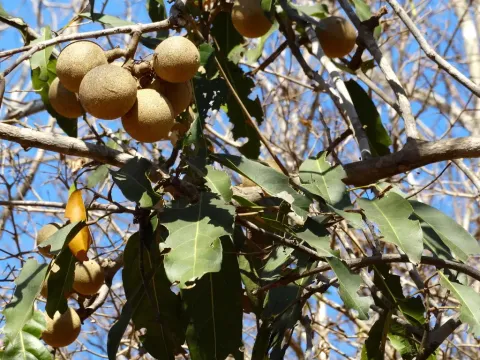
Morisonia
Morisonia
Morisonia is a genus of evergreen woody plants that belongs to the Capparaceae family. These plants typically grow as shrubs or small trees, native to the tropical landscapes of Central and South America, where they are adapted to warm, humid environments.
What the section contains


Morisonia
The culture requires a frost-free climate to thrive, making it suitable only for specific tropical or subtropical zones. Consistent temperatures throughout the year are essential for the metabolic processes that support the plant's vegetative growth and flowering cycles.
Soil requirements focus on well-draining, nutrient-rich mediums. Morisonia performs best in loamy or sandy soil types that prevent waterlogging, as the roots are particularly sensitive to excessive moisture levels which can easily trigger rot.
Light exposure is a critical factor for Morisonia. These plants require significant amounts of sunlight to sustain their growth. While they can tolerate light shade during the hottest parts of the day, prolonged low-light conditions often result in stunted development.
Watering practices should be consistent, ensuring that the soil remains moist but never saturated. In agricultural settings, it is important to implement a drainage system that allows excess water to escape, maintaining the aerobic conditions necessary for root health.
Morisonia is susceptible to various pests, including aphids and spider mites. These insects tend to proliferate in dry air conditions, necessitating regular monitoring of the foliage, especially on the undersides of leaves where they often hide.
Fungal pathogens such as leaf spot and anthracnose are common threats in humid environments. High humidity levels combined with poor air circulation within the plant canopy create an ideal breeding ground for these diseases to spread rapidly.
To control pest populations, integrated pest management (IPM) strategies are recommended, utilizing a combination of biological controls and targeted pesticides. Preventing outbreaks is far more effective than trying to eradicate established colonies.
Nutritional deficiencies, specifically lack of iron or manganese, can mimic symptoms of disease by causing chlorosis (yellowing of leaves). Regular soil testing and the application of balanced micronutrient fertilizers are crucial for maintaining vigor.
Proper spacing between individuals is essential to ensure adequate airflow. This simple cultural practice significantly reduces the microclimatic humidity within the canopy, which effectively inhibits the development of many fungal and bacterial pathogens.