
Morisonia cynophallophora
Morisonia cynophallophora
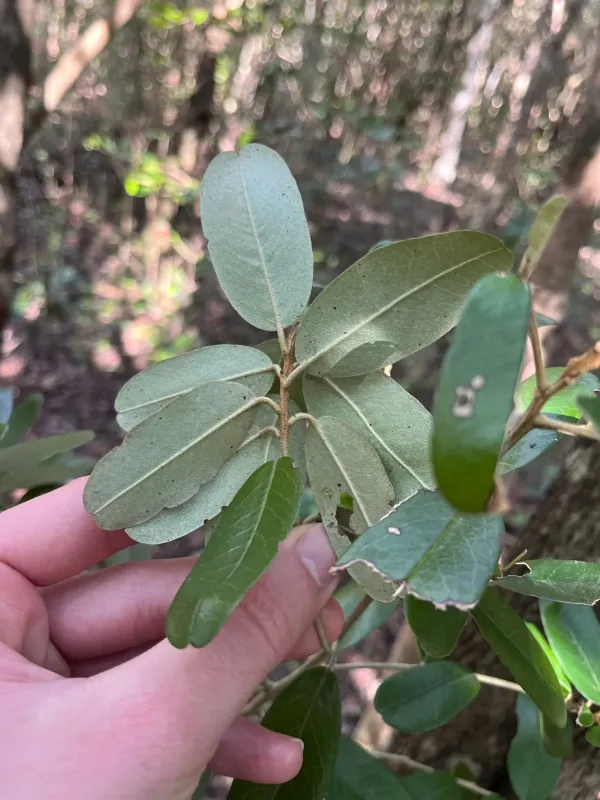
Description
Growing requirements
Morisonia cynophallophora is an interesting botanical species belonging to the Capparaceae family. It is typically characterized by a tree-like growth habit and is well-adapted to the specific environmental conditions of the Neotropics, where it plays an ecological role in the local plant communities.
Native to tropical regions of the Americas, this species thrives in environments with high humidity and consistent warmth. It prefers well-drained, nutrient-rich soils that allow for rapid root development, which is essential for the tree's long-term stability and health.
The climatic requirements of the crop are strictly tropical, meaning it requires protection from frost and cold winds. Successful cultivation depends on selecting sites that provide high sun exposure, which is necessary for the plant to reach its full development potential and support healthy growth.
Agrotechnical practices involve careful management of soil moisture levels, as the plant does not tolerate waterlogging. Regular pruning is recommended to maintain the canopy's shape and to ensure better light penetration throughout the foliage, which stimulates flower production.
Economically, the plant is primarily appreciated for its aesthetic value in landscape design. Furthermore, research into the phytochemical properties of Morisonia species continues to uncover potential applications in botanical medicine and the development of natural extracts.
Main diseases and pests
Typical threats include fungal infections occurring during periods of excessive rainfall or poor air circulation. Proper spacing between individual plants is the most effective way to prevent the rapid spread of diseases within the cultivation area.
Pest management focuses on controlling leaf-eating insects and sap-sucking pests like mites. Implementing an integrated pest management strategy ensures that the plant remains healthy without the heavy use of chemical pesticides that could harm the ecosystem.