
Morisonia frondosa
Morisonia frondosa
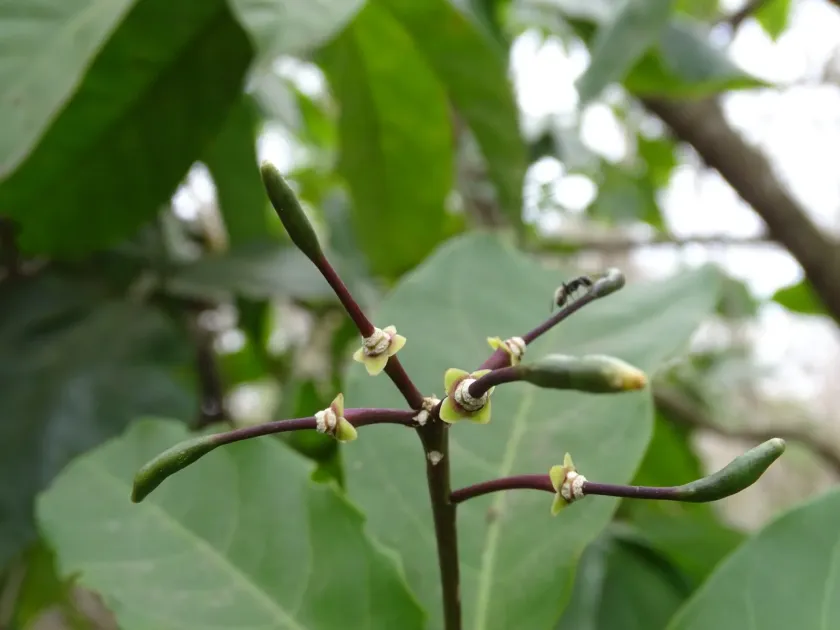
Description
Sowing dates
Morisonia frondosa is a tropical plant species that requires specific timing for propagation, typically aligned with the onset of the rainy season in its native habitat.
When starting from seeds, it is essential to maintain a warm substrate temperature, ideally between 22 and 25 degrees Celsius, to ensure successful germination.
The seeds should be sown in well-drained, fertile soil mixtures to prevent damping-off diseases, which are common in tropical plant nurseries.
Proper light management during the seedling stage is crucial; while the plant thrives in bright light, direct exposure to harsh sun should be avoided until it is established.
Transplanting into the field must occur once the risk of extreme temperature drops has passed, ensuring the young trees have sufficient time to root before the peak of the dry season.
Growing requirements
Belonging to the Capparaceae family, this plant requires a tropical or subtropical climate characterized by high humidity and warm temperatures throughout the year.
The ideal soil profile for Morisonia frondosa is deep, well-structured, and rich in organic matter, providing excellent drainage to avoid root hypoxia.
Sunlight requirements are significant, as the plant needs full to partial sun to sustain its metabolic activities and drive robust vegetative growth.
Irrigation practices must be precise; the soil should be kept consistently moist but never waterlogged to protect the integrity of the root system.
Protection from strong, desiccating winds is also recommended to prevent moisture loss from the leaves and maintain the overall health of the tree canopy.
Yield
The yield potential of Morisonia frondosa depends on proper site selection and the implementation of effective pruning techniques to stimulate fruit production.
As a tree species, it requires several years to reach maturity, after which it can produce a sustainable crop under favorable growing conditions.
Pollination efficiency is a key factor in yield determination, as the flowers depend on local pollinators to set fruit successfully.
Strategic nutrient application, particularly during the flowering and fruit development phases, can significantly enhance the quantity and quality of the harvest.
Regular maintenance of the tree structure helps in optimizing light penetration into the inner canopy, which is directly correlated with higher fruit yields.
Main diseases and pests
Common threats to this crop include fungal infections that exploit humid conditions and dense foliage, potentially damaging both leaves and fruits.
Pests such as mites and scales can become problematic if the plant is under stress, necessitating regular monitoring and integrated pest management strategies.
Root rot caused by waterlogging is a primary concern, emphasizing the importance of site drainage and responsible water management.
- Powdery mildew on leaf surfaces
- Root rot due to poor soil drainage
- Scale insects and spider mites
- Fruit damage from local fruit-boring insects
Preventative measures include maintaining proper plant spacing and sanitation practices to reduce the reservoir of pathogens in the field.
Harvesting
Harvesting is typically done by hand, with careful selection of fruits that have reached the appropriate stage of physiological maturity.
The fruits are sensitive to bruising; therefore, gentle handling during the harvest process is mandatory to preserve their commercial value.
Immediate post-harvest cleaning and cooling help in maintaining the shelf life of the produce before it is transported to the processing facility.
Sorting by size and visual quality ensures that only the best products reach the market, maximizing the economic return for the grower.
Sustainable harvesting practices, such as careful pruning during fruit removal, ensure that the tree remains healthy and productive for subsequent cycles.