
Sharp-leaf caper
Capparis acutifolia
Description
Growing requirements
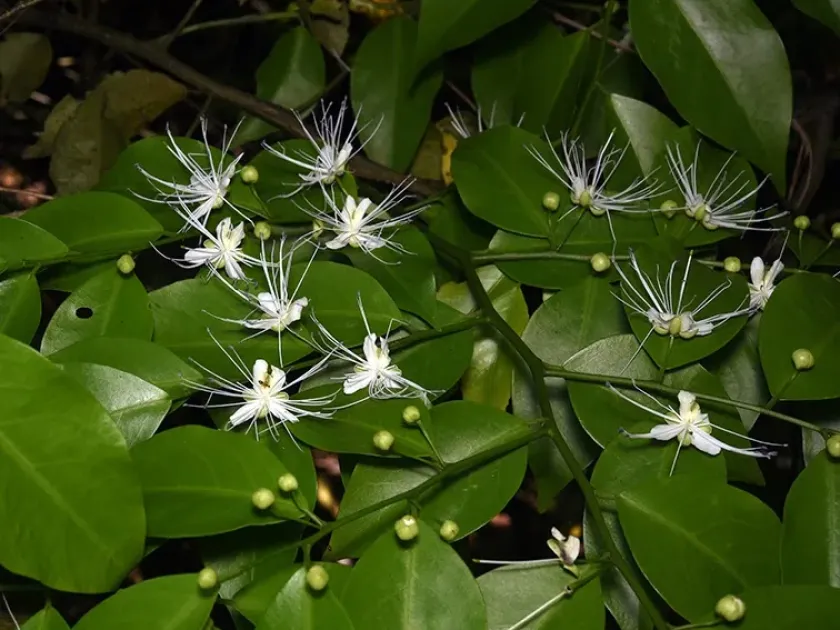
The sharp-leaf caper (Capparis acutifolia) is an evergreen perennial shrub belonging to the Capparaceae family. It is native to the regions of East Asia, thriving in various natural landscapes ranging from rocky slopes to arid environments.
This species requires well-drained, sandy, or rocky soil to grow optimally. Its remarkable drought resistance allows it to survive in arid climates where other crops would require intensive irrigation management.
For best results, the plant should be cultivated in areas with high sun exposure. Ideal growth occurs at temperatures between 25 and 35 degrees Celsius, while extreme moisture must be avoided to prevent root diseases.
Agronomic management involves selecting sites that mimic the plant's native habitat. Although the species is hardy, protecting young plants from severe weather conditions during their early growth stages is essential for establishment.
The primary economic product is the flower bud, which is harvested before blooming, pickled, and used as a culinary condiment. Its distinct piquant profile makes it a highly sought-after ingredient in international gastronomy.
Main diseases and pests
The main threats to caper plantations include fungal infections caused by excessive soil moisture and poor air circulation. Proper spacing between plants and excellent drainage systems are crucial preventive measures.
Pests such as spider mites and aphids are known to target young shoots. Regular scouting of the field ensures that any infestation is detected early, allowing for timely and localized intervention.
Winter cold poses a risk in regions outside of the plant's native range, potentially damaging terminal buds. Protective mulching or covering the base of the bushes helps mitigate freezing damage.
Sanitary pruning is essential to maintain the vigor of the shrub. Removing dead or diseased wood prevents the spread of pathogens throughout the planting area and promotes new, healthy vegetative growth.
Implementing a balanced nutrient management program supports overall plant health, making them more resilient to seasonal environmental stresses and occasional pest pressure.