
American morisonia
Morisonia americana
Description
Growing requirements
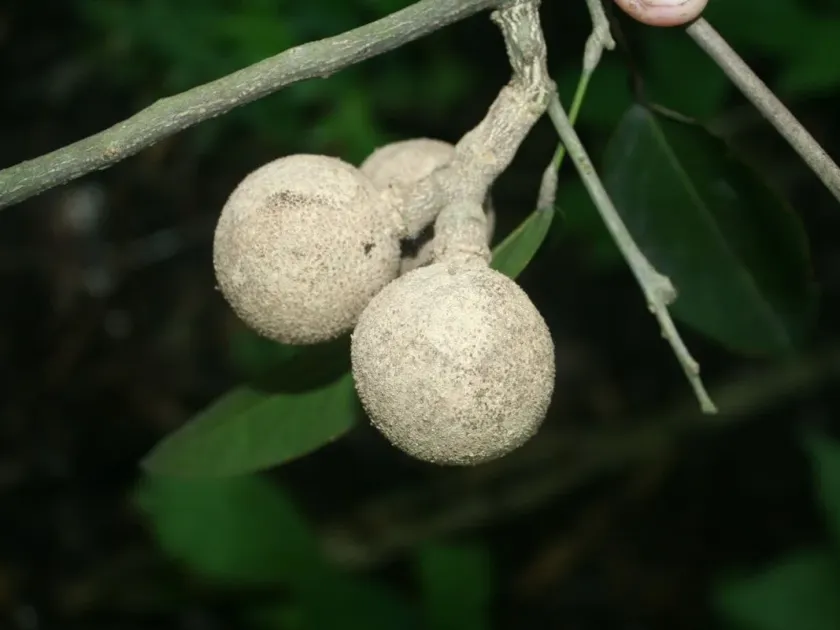
American morisonia (Morisonia americana) is a perennial woody plant belonging to the Capparaceae family. It is native to the tropical forests and dry shrublands of Central and South America and the Caribbean region.
The plant requires well-drained, fertile soil to ensure optimal root development. Sandy loam or loamy soils with a balanced pH are generally considered the best growing media for this species.
Climatic conditions for Morisonia americana must remain tropical, characterized by consistent warmth throughout the year. It is strictly frost-intolerant, and temperatures below 10 degrees Celsius can damage vegetative tissues.
High solar radiation is essential for this species, as it naturally competes for sunlight in its native canopy. Proper site selection should avoid shaded areas to prevent etiolation and ensure vigorous branch development.
Agrotechnical practices involve careful irrigation management, especially during the establishment phase. While the tree shows moderate drought tolerance once matured, consistent moisture levels help maximize annual fruit production.
Yield
The primary agricultural interest in this crop lies in its edible fruit, which is harvested by local populations. These fruits are known for their distinct nutritional profile and are used in various local food preparations.
Yield capacity is influenced by the tree's health, planting density, and local climatic stability. Although data on mass-scale industrial yields are limited, individual tree production is considered sufficient for small-scale cultivation.
In addition to its culinary uses, the wood of Morisonia americana is highly dense and durable. Although not a primary timber source, it serves practical needs in rural construction and tool making.
The plant serves as an important floral resource for local pollinators. Integrating this species into polyculture systems can significantly enhance farm-level biodiversity and ecosystem services.
Future agricultural development may focus on selecting high-yield varieties to stabilize production levels. Ongoing research into its phytochemical properties may further expand its commercial potential in the cosmetic or food industries.