
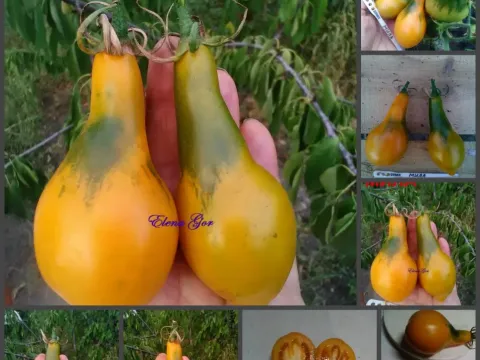
Mila
Mila
Sowing the Mila crop requires careful soil preparation, as the plant is sensitive to the soil structure during the initial stages of development.
What the section contains

Mila
The optimal sowing time occurs when the soil temperature at seeding depth reaches stable values that promote uniform germination.
Seeds are sown in rows while maintaining the recommended row spacing, ensuring optimal feeding area for each individual plant.
The depth of seed placement depends directly on the mechanical composition of the soil: it should be minimal in heavy soils, while deeper sowing is acceptable in light soils.
After sowing, it is recommended to perform rolling to ensure close contact between the seeds and the moist soil, thereby accelerating the emergence of seedlings.
This crop belongs to a family that prefers well-lit areas with sufficient insolation levels throughout the entire growing season.
Mila is demanding regarding soil moisture, especially during the active growth phase, although waterlogging can negatively affect root system development.
Fertile loamy or sandy loam soils with a neutral or slightly acidic reaction are preferred for successful cultivation.
The plant responds well to balanced mineral fertilizers, particularly complexes with high nitrogen content at the beginning of the growing season.
In regions with harsh climates, it is necessary to consider the temperature limits of the crop, avoiding sowing during periods of potential late frosts.
The main threats to the crops are fungal infections that develop under high humidity and excessive planting density.
To prevent infection with powdery mildew or rust, it is necessary to conduct preventive fungicide treatments during critical growth stages.
Among pests, the greatest damage can be caused by insects that attack the vegetative mass, which requires regular field monitoring.
An integrated protection system includes the use of high-quality treated seeds, which reduces the risk of early-stage diseases.
- Timely weeding.
- Crop rotation compliance.
- Pest monitoring during the budding phase.