
Lilium x dalhansonii
Lilium x dalhansonii C. B. Powell
Description
Growing requirements
Lilium x dalhansonii is a sophisticated hybrid resulting from the cross between Lilium hansonii and Lilium martagon. Belonging to the Liliaceae family, this cultivar represents the classic Martagon group, known for its longevity and robustness in garden settings.
The plant thrives in environments that mimic forest edges, preferring dappled shade or partial sunlight. Exposure to harsh afternoon sun can bleach the complex colors of the flowers and dry out the foliage prematurely, reducing the overall vigor of the plant.
Ideal soil conditions include a rich, humus-based substrate that is neutral to slightly acidic. Good drainage is non-negotiable, as the bulbs are susceptible to rotting if left in waterlogged conditions, particularly during the dormant winter period.
Cultural practices should focus on minimal disturbance, as these lilies prefer to stay in one location for many years. Once established, they become quite self-sufficient, requiring only moderate moisture and occasional mulching to keep the roots cool.
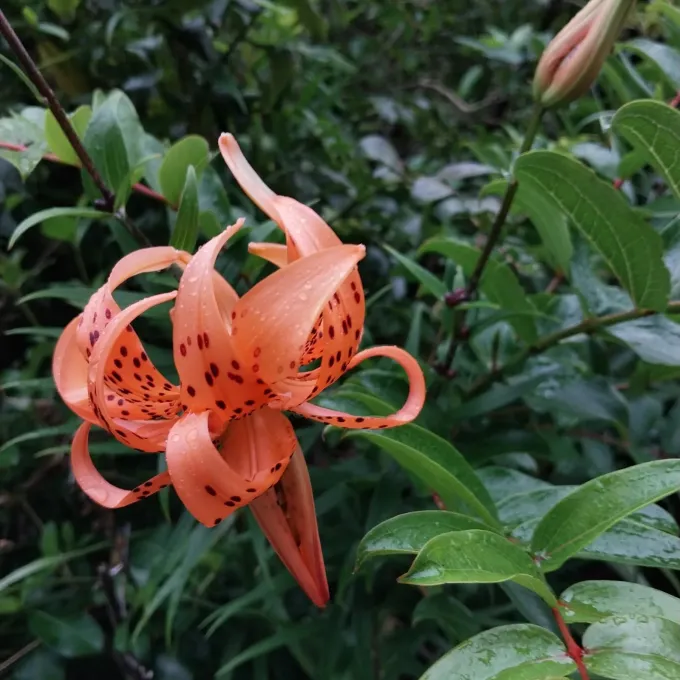
Botanically, the hybrid is distinct for its whorled leaf arrangement and pendulous, Turk's cap-shaped flowers. The coloration is typically a blend of deep mahogany, yellow, and orange tones, often featuring striking spots that enhance its ornamental value.
Main diseases and pests
The scarlet lily beetle (Lilioceris lilii) is the most significant pest affecting this cultivar. Both the adult beetles and their larvae can cause severe defoliation, necessitating vigilant monitoring and prompt control measures using appropriate pesticides.
Fungal diseases like Botrytis blight can occur if there is poor air circulation and high humidity around the foliage. Ensuring proper spacing and removing old plant debris at the end of the season are essential steps to maintain a healthy lily patch.