
Lilium pomponium
Lilium pomponium L.
Description
Growing requirements
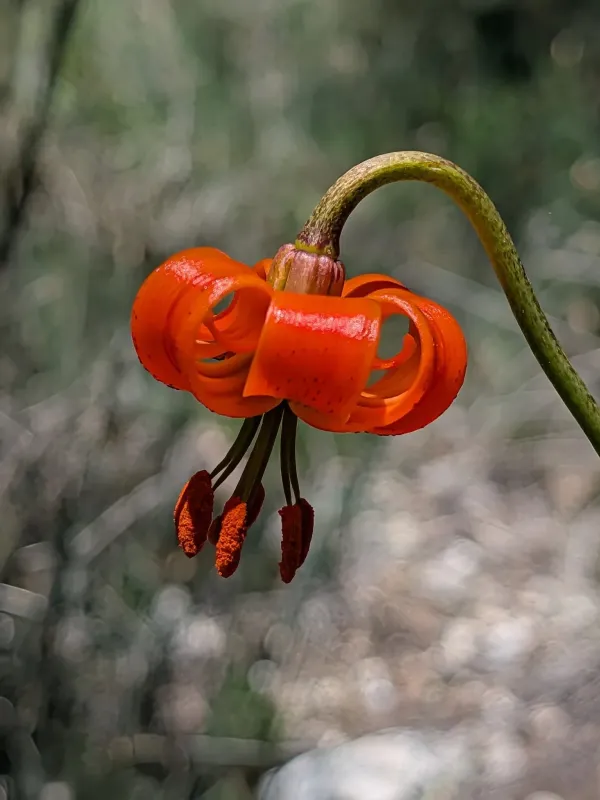
Lilium pomponium L., commonly known as the pompon lily, is a perennial bulbous plant belonging to the Liliaceae family. It is native to the mountainous regions of the Maritime Alps in France and Italy, typically thriving on rocky, limestone slopes.
The plant requires well-draining, neutral to alkaline soil to prevent bulb rot. In garden cultivation, creating a high-quality drainage layer is essential for the long-term survival of the bulbs, as they are highly sensitive to waterlogged conditions.
Optimal growth is achieved in sunny locations where the soil remains cool. During the growing season, it is important to provide regular but moderate irrigation, ensuring that the substrate does not dry out completely while maintaining aeration.
General cultivation practices include minimal disturbance of the soil around the bulbs and providing sufficient space for the root system to spread. Using well-composted organic matter can improve soil structure and fertility without causing nutrient toxicity.
The species is primarily used in specialized rock gardens and alpine collections. Its striking reflexed, scarlet-orange petals make it a highly desirable plant for enthusiasts who can replicate its specific mountain habitat requirements.
Main diseases and pests
The main threats to the plant include fungal pathogens such as Botrytis (gray mold), which thrives in stagnant, humid environments. Maintaining good air circulation is the primary defense strategy against this disease.
The lily beetle (Lilioceris lilii) is a significant pest that can cause severe defoliation. Growers must monitor the plants closely during the spring and early summer to prevent widespread damage from larvae and adults.
Bulb mites can damage the basal plate, weakening the plant and making it susceptible to secondary infections. Treating bulbs with a fungicide soak before planting is recommended to mitigate this risk.
Viral diseases, often spread by aphids, can cause distorted growth and mottled foliage. Infected plants should be promptly removed and destroyed to prevent the spread of the virus to healthy specimens.
Small mammals, including voles and mice, are known to consume bulbs, particularly during winter. Using wire mesh cages during planting is the most effective method for protecting the bulb from subterranean damage.